
Golden yellow, fruity, sweet, divine, insanely expensive and legendary. Château d'Yquem has an obvious place in the mouths of many wine lovers. That there are those who choose to collect the expensive gems purely for investment purposes is a completely different story.
Finding Château d'Yquem is not easy. We enter an address into the GPS and take the car from the picturesque medieval village of Saint Emilion in Bordeaux. An hour later, after a journey on winding roads in the scorching sun, we have ended up in the Graves wine district and the town of Sauternes. Here we drive into the small town, then find the edge of one of the castle's vineyards but not the castle, after asking around more than once we finally arrive at the gate to what is said to be the best of all the sweet white wines in the world.
“We had signs up, but they have disappeared,” says Raphaëlle Vonesch, who meets us and will show us around.
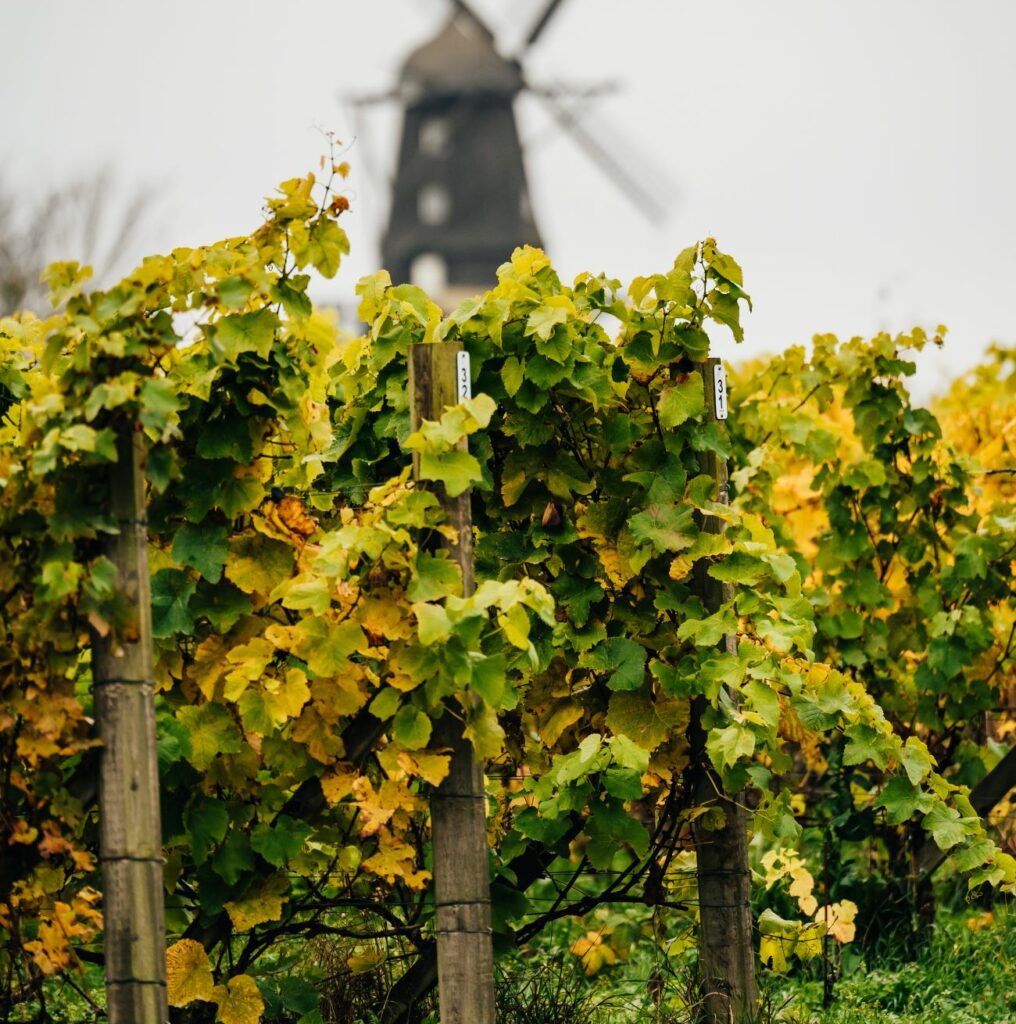
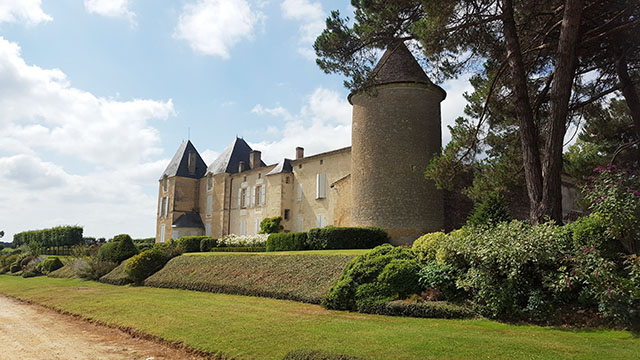
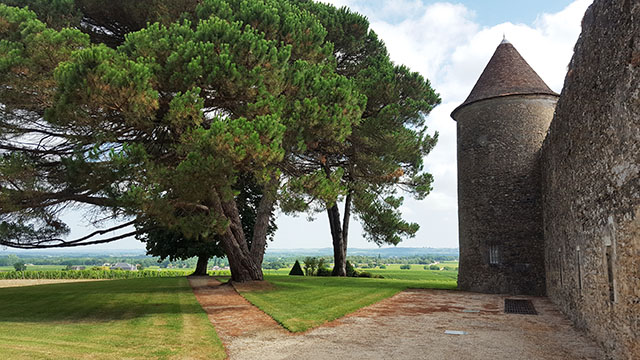
We start at the 16th-century castle, which is located at the top and in the center of everything, surrounded by 104 hectares of vineyards. It is warm, the shade is under the large pine trees by the castle wall. It is insanely beautiful and well-kept. 24 women and 14 men work here all year round, keeping a close eye on the vines, caring for them, grafting them and checking when the land needs to lie fallow. Today, the oldest vines are from 1952, but on average the vines are replanted after 45 years, after which the land rests for about seven years. The vines in their 30s are the best. Care, concern and pride permeate the business.
Among the factors that contribute to making the wine unique are the location and size of the vineyard, its unique microclimate and its focus on quality. Of the other producers of Sauterne wine, the very best are located within a two-kilometer radius with d'Yquem at the center.
Wine was already grown here at the end of the 16th century and the family tradition is long. One of the key figures in the noble rot sweet wine is Francoise-Joséphine de Sauvage d'Yquem. After she became a widow in 1788, she devoted herself to wine, the vineyard and its traditions. The house gained iconic status. In 1855, the whole of Bordeaux was to be classified for the World Exhibition in Paris on behalf of Napoleon III. Château d'Yquem became the only house to be classified Premier Cru Supérieur.
The vineyards that spread out in all directions are embedded in morning mist before the sun warms the ground. At the end of summer, the long-awaited noble rot, botrytis cinerea, finally arrives. This is a fungus that attacks the grape and makes small holes in its skin, the liquid evaporates, the grape dries, the flavor concentrates. The fact that the amount of wine is not particularly large goes without saying, 100,000 bottles per year is an average, of which 30 percent are half bottles.
“We harvest one field at a time in several rounds to pick the grapes at the right stage of ripeness,” says Raphaëlle Vonesch, while pointing out the unique terroir up here: limestone, clay, gravel and sand are the foundation, plus excellent drainage.
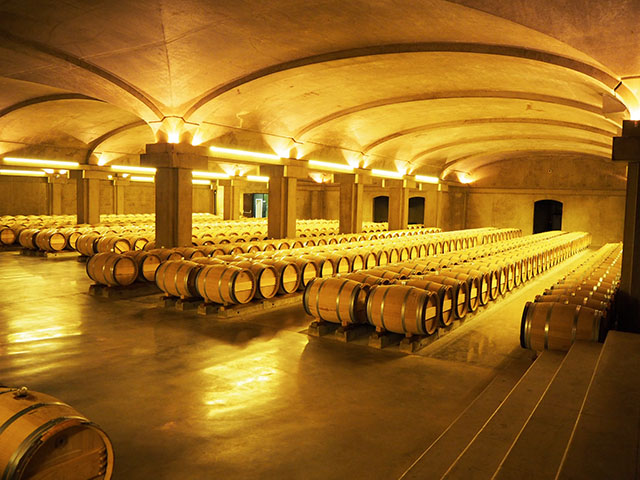
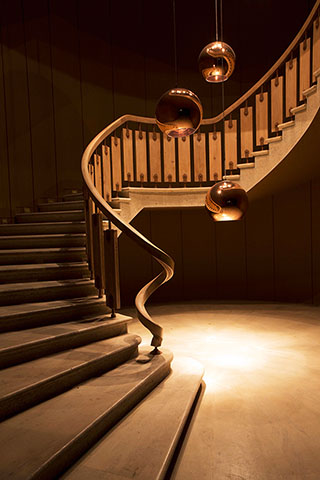
All work is done by hand and after the grapes are picked, they are pressed in up to four rounds. With each pressing, the sugar content and quality of the wine increases, which is then bottled in new oak barrels. After this, fermentation begins in the fabulously beautiful newly built cellar that maintains a temperature of 15 degrees. Wine from different cultivation plots is stored separately for 6-8 months before a first blend is made by winemaker Sandrine Garbay and her team. A common mix is 70 percent Semillion and 30 percent Sauvignon Blanc. The alcohol content varies between 12.5 - 14.5 percent depending on the amount of sugar in the wine. Regular blind tests of the wine are then carried out over the coming months and almost always some barrels are sorted out because they do not meet the house's standards. After this, the wine is aged in barrels for 14 months before being bottled and corked again with a 54-millimeter cork from Portugal. After 2.5 years of rest, the bottles are ready to be shipped out into the world. Of the total production, 80 percent is exported, with England, Russia and Japan being the largest buyers, and a new market on the rise is China.
Since 1999, Château d'Yquem has been owned by LVMH Moët Hennessy Louis Vuitton, which has meant that a lot of renovation has taken place. At the same time, the wine and traditions surrounding it have been preserved. But winemaker Sandrine Garbay, who started in 1994, has now been given a superior manager in Pierre Lurton, who is also responsible for Cheval Blanc. Previously, it was almost impossible to book a visit here, now you can do it easily via the website.
Winemaker Dominique Demarville, responsible for Veuve Cliquot, has d'Yquem as one of his absolute favorites. Fittingly, they belong to the same group and a certain exchange of both bottles and knowledge could be possible. During a visit to Stockholm, he says:
– An absolute highlight for me is when, after a weekend where we have treated ourselves to a delicious dinner, I discover that there are a few drops of d'Yquem left. Together with a strong cheese, it is a perfect end to the holiday.
Château d'Yquem 2010
We end our visit by tasting the 2010 vintage. The year started cold before the warm summer took hold and the weather, when it was time for harvest, was perfect. On the nose we are treated to lots of exotic fruit such as apricots and pineapple. In the mouth we are met with a lovely and seductively soft silky feel, exotic fruit, apricot and pineapple alternate with layers of litchi and white peach which are captured with good acids.

Food for this:
The classic foie gras and dessert is self-explanatory. Fish or chicken in creamy sauces. Asian or African cuisine. Dessert with almonds. Well-aged cheese such as gorgonzola.
photo: Château d'Yquem