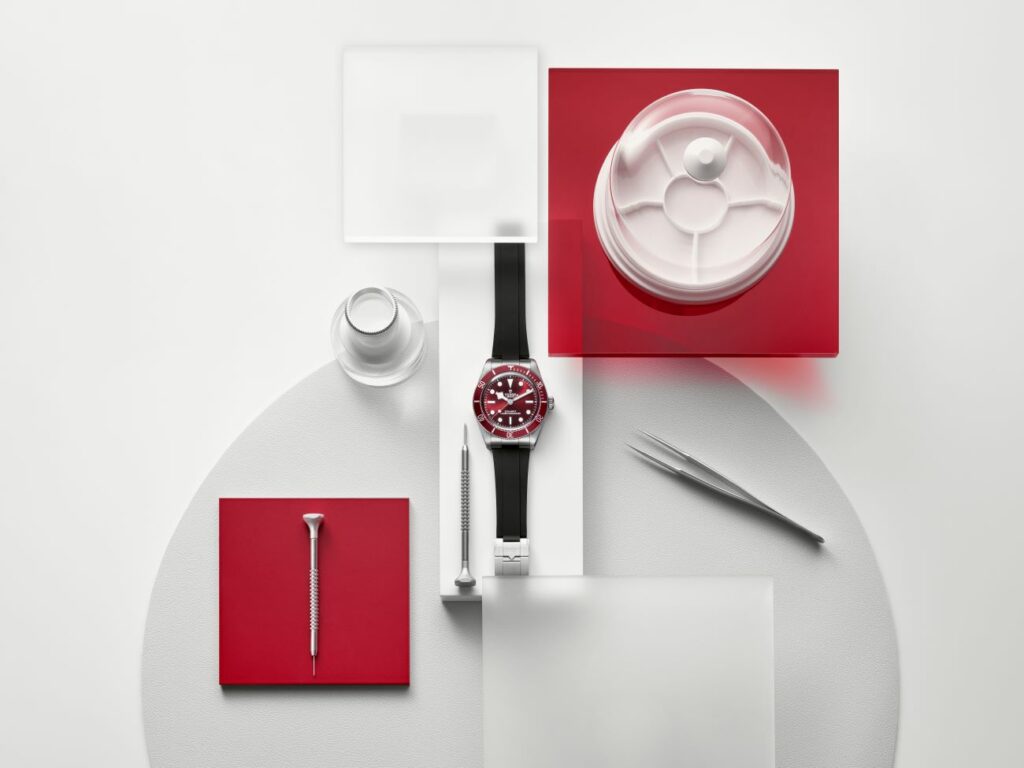


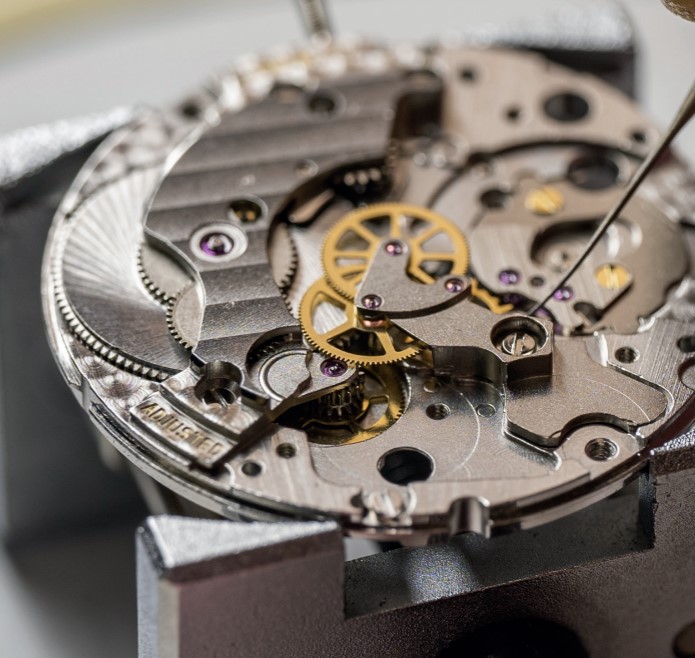
The combination of a watch shop and a watchmaker's workshop is at the heart of Klockmaster Fältöversten's business. Returning customers, commitment, and a high level of service are the model. VOYAGE has taken a peek into the watchmaker's workshop and brings back some tips on how to think to ensure your watch is in the best possible condition.
AV OLA JACOBSE
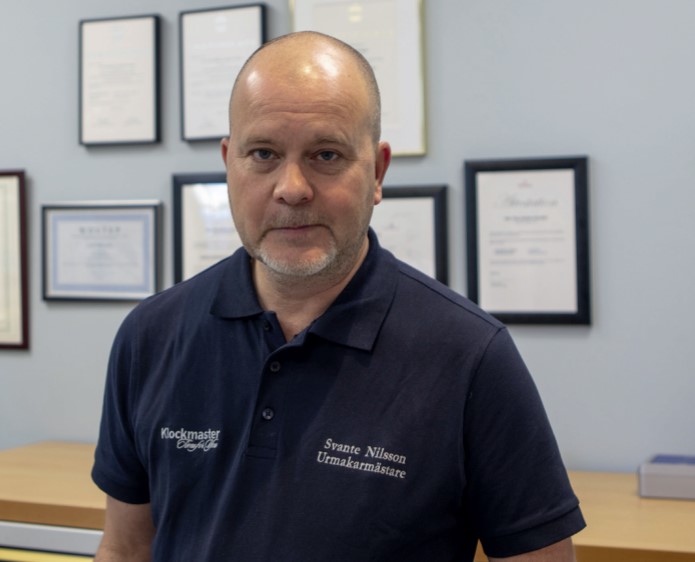
Anyone can sell watches, but to look after service and have your own watchmaking workshop is soon unique.
Master of the Clock, Field Colonel ARE A family-owned business with roots stretching back to the 1950s, when the business started on Slöjdgatan. Since then, the company has grown and developed, with another shop in Globen between 1989 and 2023. Today, Fältöversten is the location – an address where the business has been since 1972. Behind the business is Svante Nilsson, the fifth generation of watchmakers in the family. Three highly competent watchmakers currently work in the workshop.
– Anyone can sell watches, but looking after servicing and having your own watchmaking workshop is becoming unique, says Svante.
MORE THAN JUST SALES
for Watchmaker The business isn't just about selling watches, but about taking responsibility for the entire lifecycle. The ambition is to be able to service all the brands they sell – and have sold over the years. The workshop is particularly specialised in Omega, Longines, Tissot, and Certina. At the same time, there are limitations in the industry.
– We also cannot service Rolex and other exclusive watches, which generally have to be sent back to the factory for maintenance and repairs. We also encounter problems where people have bought a watch online or during a holiday trip, where we cannot get hold of spare parts, he says. A craft that builds relationships Being a watchmaker is not just about technique – but also about people. Svante Nilsson has grown up in the business and met several generations of customers.
– If you behave yourself craftsman Customers will come back, they are our best ambassadors, he concludes.
After 35 years in the trade, he has seen just about everything and is sometimes surprised at how watches are treated.
“Being a watchmaker is a bit like being a fellow human being on call, and people often expect you to basically replace their battery whilst they’re waiting,” he says.

WE SEE WATCHES WITH FAULTY GASKETS EVERY DAY. FINGERPRINTS IN THE MOVEMENT THAT WOULD BE ENOUGH TO LAUNCH A MURDER INVESTIGATION
COMMON MISTAKES – AND WHY THEY COST
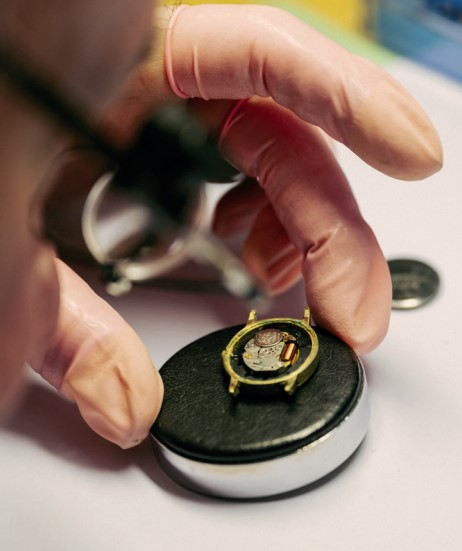
A recurring problem is that many people try to save money the wrong way, for example by changing the battery at a cobbler's or doing it themselves.
– Look at how dusty it is where they stand grinding keys and polishing shoes, and you have the answer! Most of the time it is no problem for them to open the watch, but they are careless about cleaning, checking seals and closing the watch correctly. I have never seen a pressure testing machine to check the tightness of the watch at any shoemaker. We usually get the watch after the damage has already occurred. The consequences become clear in the workshop.
– We see watches with bad seals daily. Fingerprints in the movement sufficient for a murder investigation. Full of dirt or traces of moisture in the timepiece, often with the comment that the customer hasn't done anything – and that's precisely the problem, explains Svante Nilsson.
WHEN ACCIDENT HAPPENS
Many damages are due to everyday wear and tear or accidents that customers are not always aware of.
– Every week, watches are brought into our watch repair workshop where the indices or hands “just come loose”This happens in case of falls or strong impacts, he says. In addition, improvised solutions can worsen the situation.
– Sometimes we receive watches where customers have tried, for example, to use a pair of nail scissors to pull out the crown in order to set the time, and in doing so have damaged the case neck or the crown, meaning the watch no longer keeps a tight seal.
THE IMPORTANCE OF AUTHORISED SERVICE
Using an authorised repair centre gives the customer peace of mind.
– Most luxury watch brands do, after all, list the authorised service centres on their websites. It’s a seal of quality that the workshop has undertaken training courses, has the right tools and, above all, uses genuine parts when carrying out replacements. In other words, we do not use standard gaskets or parts that do not belong to the brand we are refurbishing. Furthermore, access to spare parts is often limited for unauthorised operators.
HOW TO MAKE YOUR WATCH LAST LONGER
How often a watch needs servicing depends largely on how it is used.
– Generally speaking, there’s no need to do anything if it’s working well, but it depends on how it’s used. There’s quite a big difference in the kind of wear and tear a watch is subjected to when worn by a plumber compared to a
person who has an office job. A general rule of thumb, however, is:
We usually tell customers every 5–7 years, depending on the type of mechanical movement involved, sometimes it's fine every 10–15 years. This is especially important for those who often expose their watch to water.
The most common issue is that people who swim a lot don't get their watches serviced to have the seals replaced, so the watch doesn't remain waterproof against moisture and dirt. And certain behaviours should simply be avoided.
– People subject their fine watches to things you’d never have thought of doing before – dipping their fancy watch into a drink to impress their mates, sitting in a hot tub filled with chlorinated water, or scratching it against tiles just to show it off. If you’re changing the tyres on your car – take your watch off!
Look after your watch
Watches are at their best when they’re running and showing the correct time. When it’s time for a service, let the professionals do the job – your watch needs a relationship with a watchmaker!
What should I bear in mind to keep my watch in good condition – watch care at home?
– I’d like to sum it up by saying it’s about having the right watch for the right occasion; in other words, slim dress watches or certain designer watches aren’t suited to water sports or gardening. The smell of the straps is, of course, a good indication of what the watches have been through. Even though many fine watches are water-resistant and shock-resistant, you can still end up with unsightly marks on the strap and case. If you want to maintain your watch’s value, you should look after it. You can use a disposable watch for hunting, fishing and other more demanding activities, says Svante
Nilsson at Klockmaster Fältöversten.
5 CARE TIPS – MECHANICAL WATCH:
- Don't leave it lying still for too long, the oils in the mechanism will dry out instead of lubricating.
- Wind your watch once a month and check that it runs for at least a full day when fully wound.
- Check the functions and keep it clean. For waterproof watches, ensure the crown can be screwed down properly.
- Keep the buckle and strap clean, this will reduce wear and tear.
- Personally, I don't bathe in saunas, hot tubs, or expose watches to strong solvents. Do not place it on a windowsill in strong sunlight for extended periods.
5 CARE TIPS – QUARTZ WATCH:
- Keep the watch and strap clean from dirt and skin debris, and wait before putting it on your wrist if, for example, you've just applied lotion.
- Solvents, hairspray and the like dry out seals quickly. A tip is to put on your watch after applying perfume.
- Check the condition – is everything working as it should?
- Avoid placing a quartz watch near strong magnets.
- Watch batteries left unused for a long time risk leaking. In that case, the movement is usually ruined.