

A personal look is the prevailing trend. Unique charm rather than a perfect surface, and no noble stone is as personally charming as an emerald.
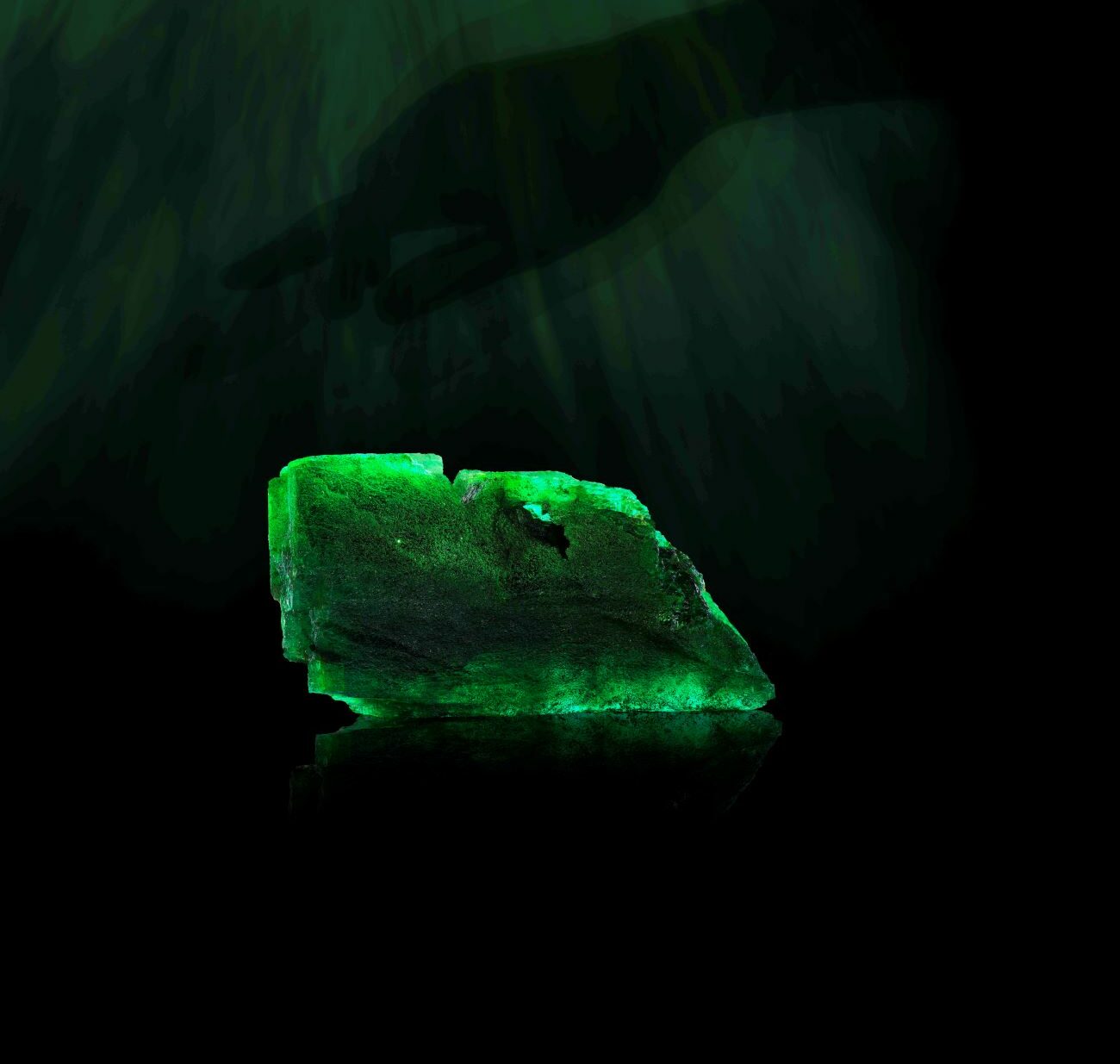
Chopards The latest high jewellery collection ”Insofu” consists of pieces made from a single gemstone: This emerald of a whole 6.225 carats which was discovered in Zambia. Insofu, incidentally, means “elephant” in the local Bemba language and refers to both the shape and size of the emerald. The collection also reflects Chopard's commitment to ethics: the emerald's journey from mine to finished Jewellery is completely transparent.
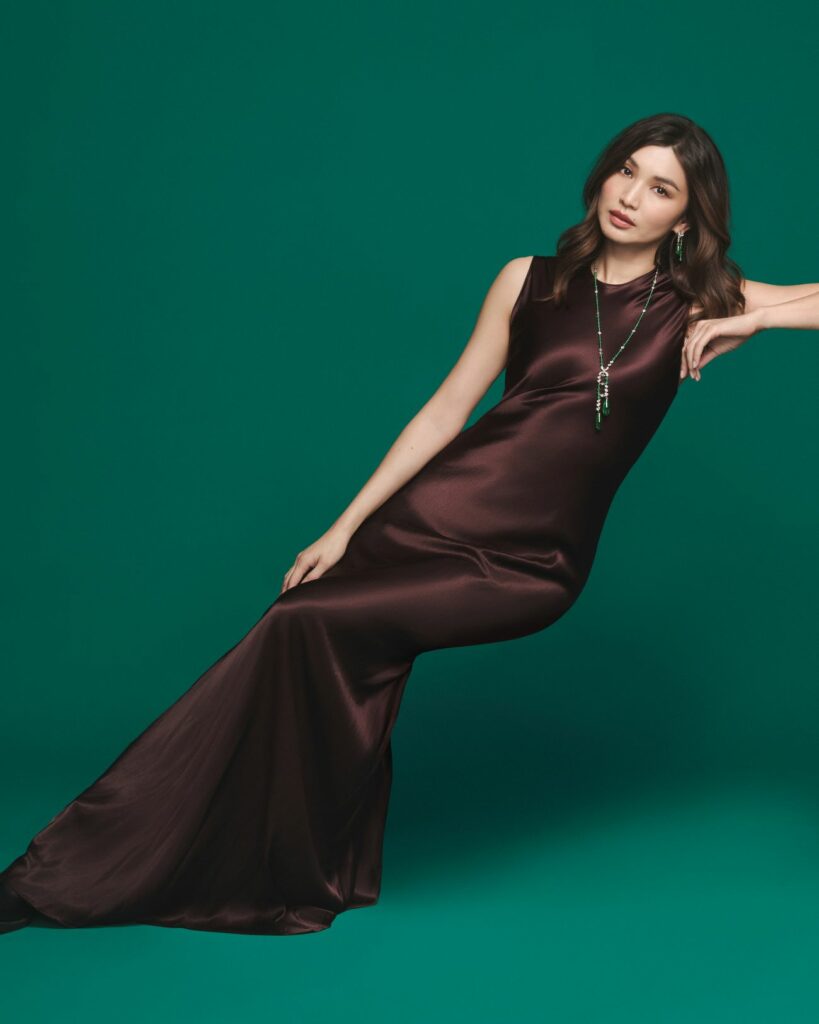
PHOTO: CHRISTIE’S IMAGES LTD. 2025
Nothing green is Greener than an emerald, wrote the Roman historian Pliny the Elder in his famous work Historia Naturalis from 77-79 AD. He also believed that the emerald had a refreshing effect on tired eyes. Perhaps he was right, today the colour green is known for its calming effect. For millennia, we have been fascinated by the emerald's rich green colour.
In ancient times, the term emerald, which comes from Greek ”smaragdus” and means ‘green gemstone’ – all green stones, but people seem to have been particularly fascinated by the emerald in particular. It derives its colour from chromium and vanadium, and depending on the concentration of these elements, the colour can vary from light green to deep green, the latter having become the most sought-after. It is reminiscent of the arrival of spring and has been celebrated as the stone of love, fertility and rebirth. Nowadays, it is also the birthstone for the month of May. The oldest emeralds are almost three billion years old, and mining began in Egypt around 1500 BC.
Cleopatra valued emeralds more than anything else and claimed ownership of all the emerald mines in Egypt during her reign. She might have powdered her precious gems to win a bet with Mark Antony, but she kept the emeralds for herself. Cleopatra's beauty has become as legendary as the emerald's has ever been. She would certainly have been pleased to Elizabeth Taylor to portray her in the film Cleopatra from 1963. But not solely for the film queen's beauty – Elizabeth also had a fondness for emeralds. But nobody really knows what Cleopatra looked like. Various historical sources describe her personality, intellect and charm rather than her beauty.
The green colour is certainly the emerald’s most defining characteristic, but perhaps its greatest appeal lies in its charm. Unlike diamonds, which are expected to be perfectly clear, the inclusions in emeralds – known as ”jardins”, the French word for ‘garden’ – are considered to give each stone a unique character. Perfect ”imperfect” Quite simply.
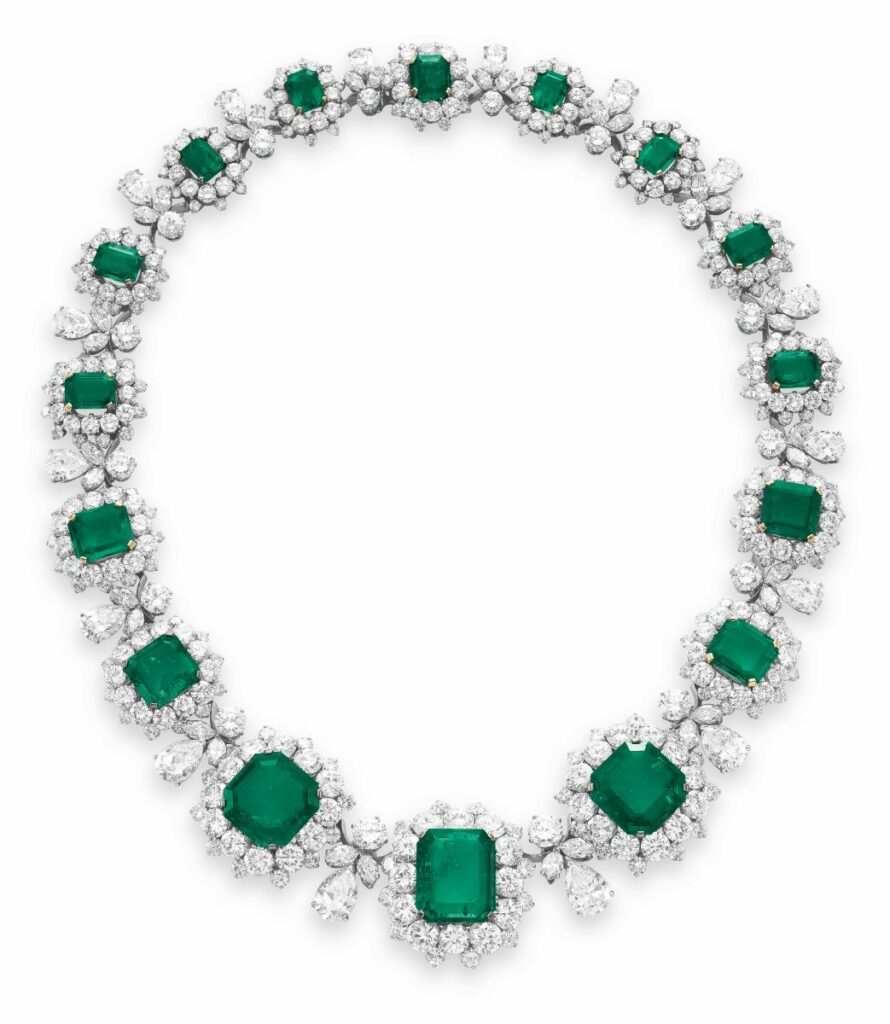
a gift from her husband, Richard Burton. The necklace was sold at Christie’s in 2011.
EMERALDS...
… belongs to the gemstone family Beryl, which also includes aquamarine and morganite.
… is always green, but the shade can vary from light green to dark emerald green depending on the concentration of chromium and vanadium in the stone.
… often have small natural containments or cracks. If the stone is completely flawless, it is almost certainly a synthetic emerald or an imitation.
… are often brittle (due to the inclusions).
… are more than 20 times rarer than diamonds, and are therefore often more expensive