

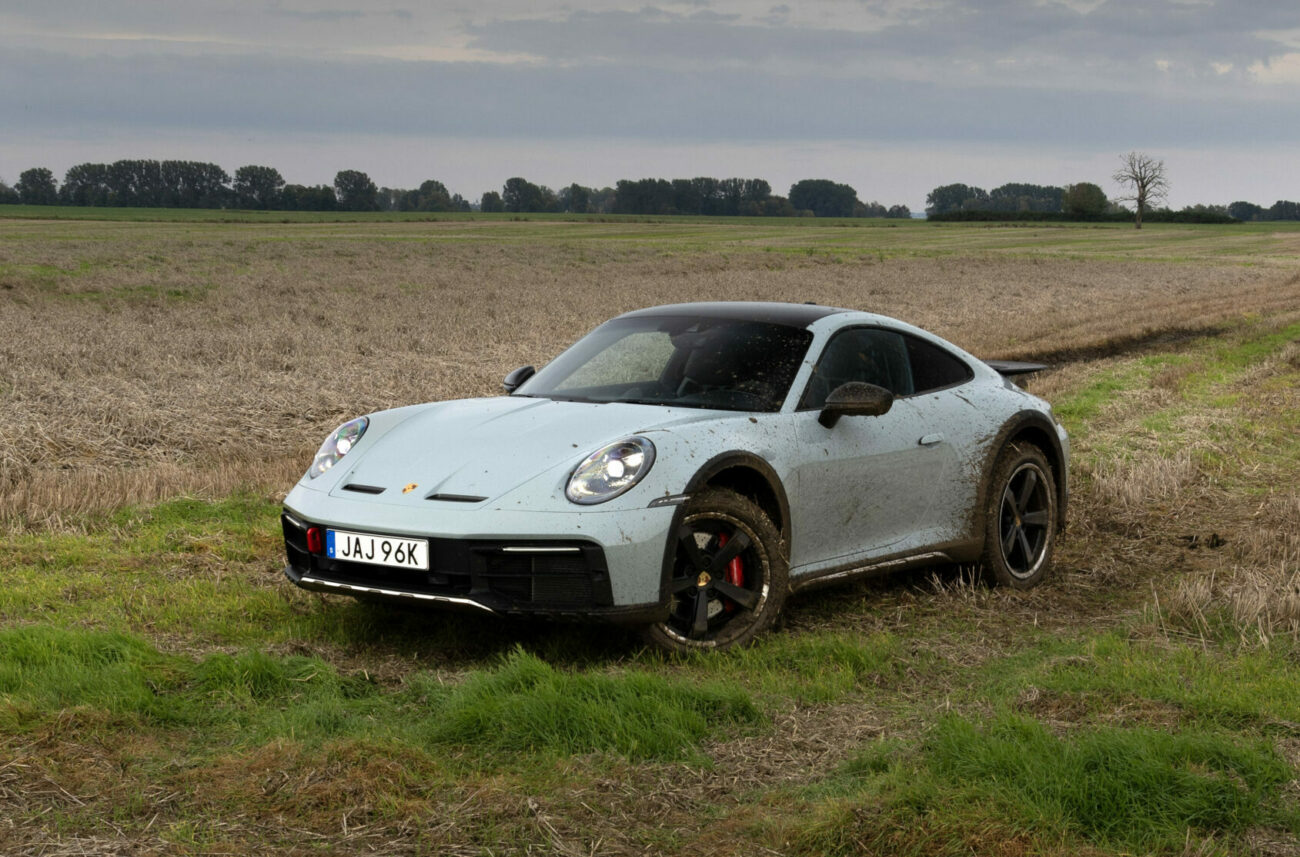
The 911 Dakar is absolutely nothing new, it already arrived in 1984 when the Porsche 953 model took home the classic Paris-Dakar Rally in the desert. An incredibly tough race that really makes the car and its driver show their true colours. They did so with the Porsche and took home the overall victory.
»It feels very sporty, but at the same time very comfortable. I'm absolutely not saying that a GT Porsche isn't comfortable, but at the same time it demands that the road is made of silky smooth asphalt. The 911 Dakar doesn't need that.«
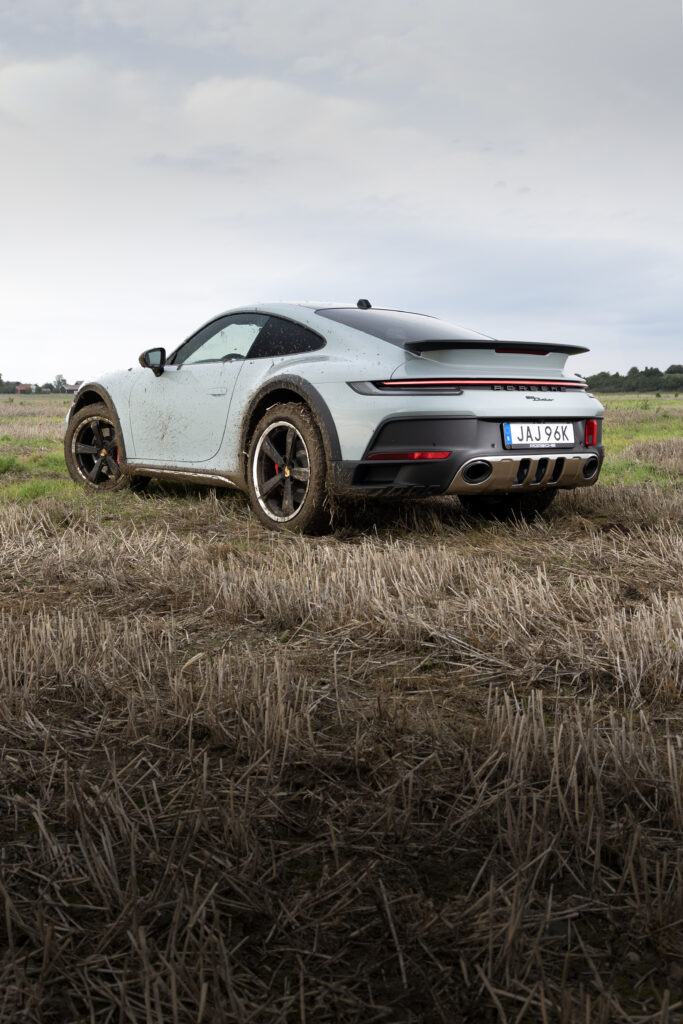
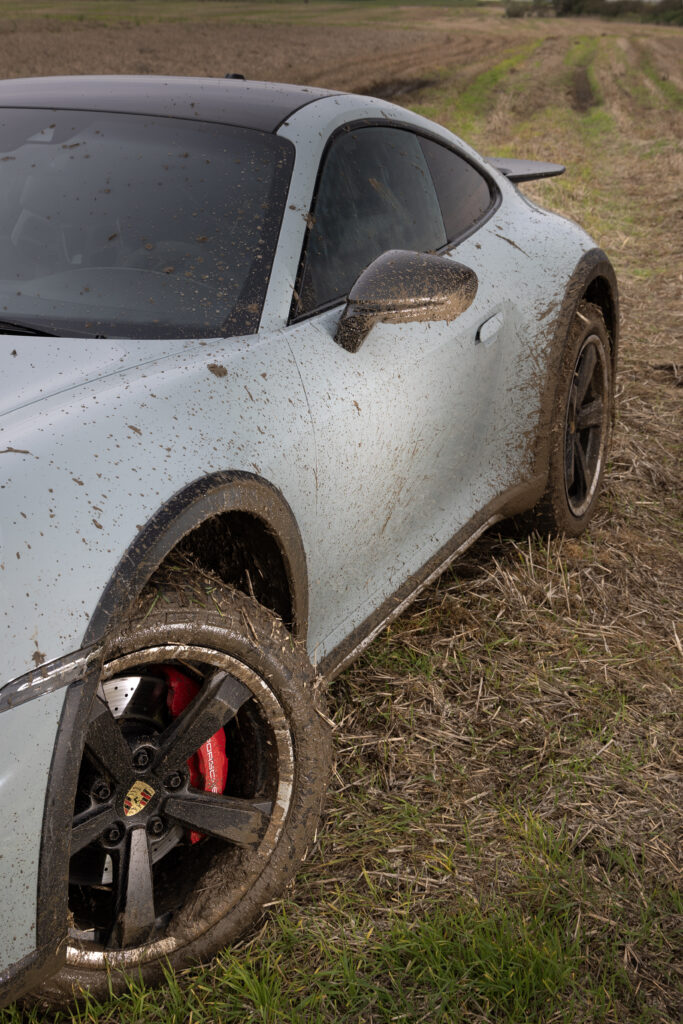
Exactly like the original From 1984, the 911 Dakar is raised. In normal mode, it is five centimetres higher than a normal 911. Using a lifting system, the car can be raised a further three centimetres. Even in normal mode, the 911 Dakar looks different to its 911 siblings. To achieve changes compared to a regular 911, longer wishbones have been used, extending the suspension travel and also giving a wider track. In addition, the model has stainless steel skid plates and a new front with stainless steel grilles. There are also robust red towing eyes at the front and rear. The whole package gives it that off-road look.
If one truly wants to let the 911 Dakar have “that one” There is an off-road look with an optional roof basket with integrated LED light bars, where you can load water canisters, traction mats and folding shovels. The maximum load for the roof basket is 42 kg. Additionally, there is a roof tent for the 911 Dakar for those who really want to experience that safari feeling. Inside, you'll feel more familiar if you're acquainted with any of the GT models.
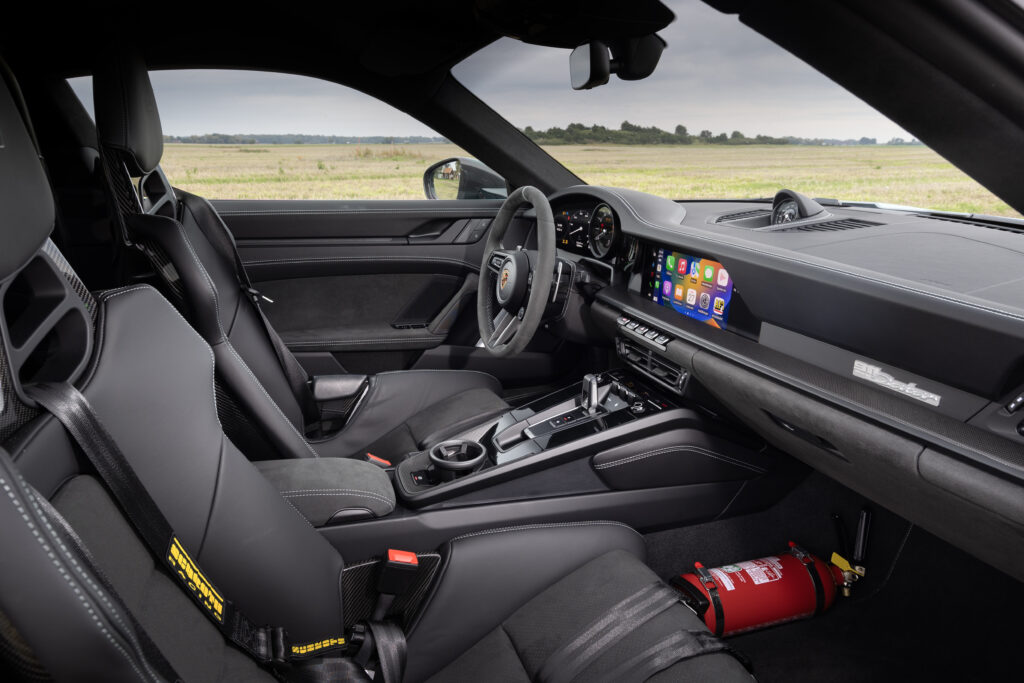
Here we find a roll cage instead of a rear seat and deep bucket seats made of carbon fibre at the front. You can choose to fasten yourself with a so-called five-point harness, which secures you like a vice when the road is uneven, but Porsche also kindly fitted a normal, traditional seatbelt so you don't have to bother with the five-point harness. A fire extinguisher is also mounted on the floor on the passenger side. To keep the weight down, in addition to the lack of a rear seat, the glass and starter battery have also been made from lightweight materials. The total weight for 911 DakaWe land at 1,605 kilos. Despite its skid plates and other off-road enhancing features, the weight is only ten kilos more than a comparable 911 sibling. That must be considered good work, clearly. The feeling when you drive off with the 911 Dakar quickly reminds you of a regular 911, but in GT form, which is the model I have. It feels very sporty, but at the same time very comfortable. I’m absolutely not claiming that a GT-Porsche Nothing is comfortable, yet it simultaneously requires the road to be made of silky asphalt.
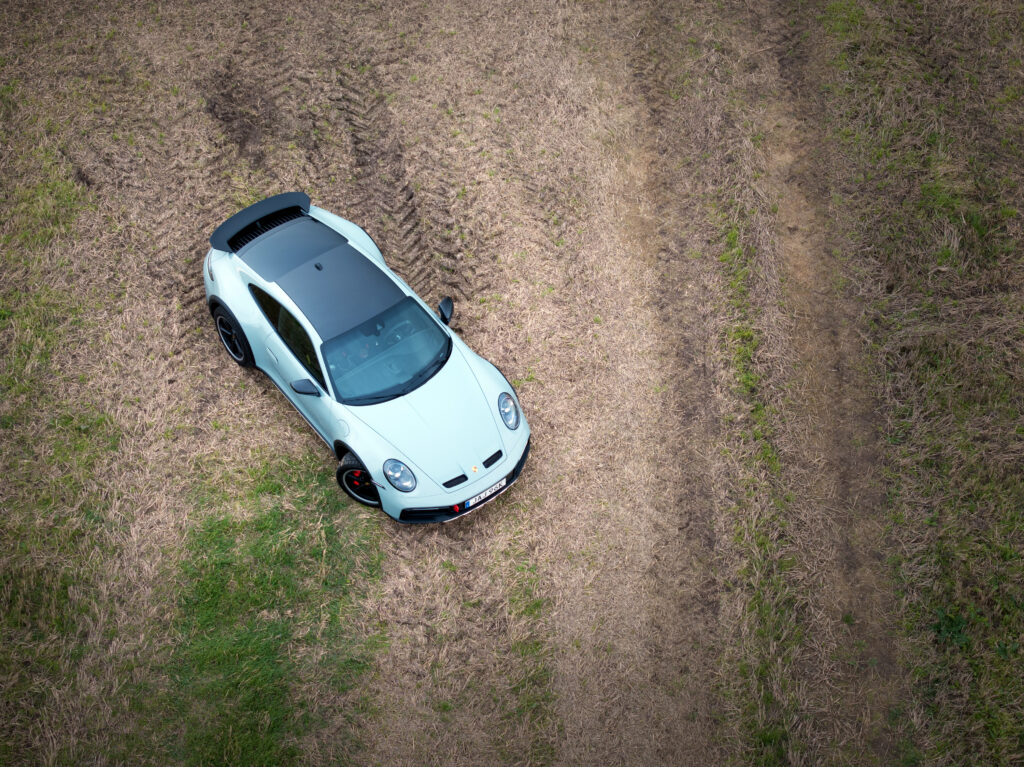
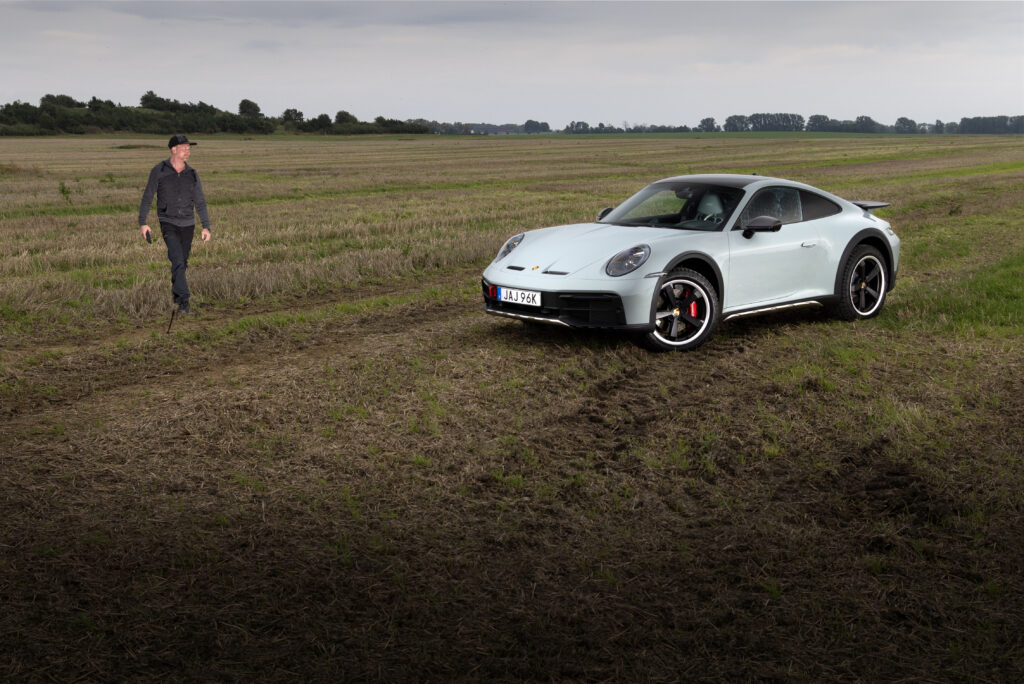
The 911 Dakar doesn't need it. Here it's comfortable even if the road is a bit bumpy. But you still feel like you have full control; the difference would probably be felt more clearly if you took a lap on a racing track. One of Porsche's GT models would have thrived here like a fish in water, but not the 911 Dakar, thanks to tyres that are more at home off the track than on it. But unlike a Porsche GT model, you could easily drive the entire lap around the track – I mean around the track, not on it. A GT Porsche wouldn't have coped well with that. While we're on the subject of how the 911 Dakar would be better suited off-road than a GT sibling. I had the pleasure of using a whole field and letting the 911 Dakar show how it behaves when it's not on smooth asphalt. This is, of course, because the 911 Dakar is all-wheel drive.
The standard equipment also includes active, electromechanical anti-roll bars and rear-axle steering. Add to that stiffer engine mounts and a newly developed rear wing. The bonnet, just like its GT sibling the 911 GT3, is made of carbon fibre to save weight. If desired, you can order your 911 Dakar with the Rally Design Package, which comes in a two-tone paint finish and decals, just like the original from the 1980s rally car. If I were to choose a 911, I might not have chosen a Dakar after all, but one of the GT models. I drive a Jeep myself and feel it's hard to compete with when the road really ends. But at the same time, I admire Porsche for what they did with 911 in the 1980s and that a new version is now being developed. They can afford to do this with all their past successes. But if I lived in the countryside and really wanted to drive a Porsche 911 every day, a 911 Dakar would obviously be my choice!
»I had the pleasure of using a whole field and letting the 911 Dakar show how it behaves when it's not on smooth tarmac«
PORSCHE 911 DAKAR
Base price: 2,480,000 kronor Engine: 3-litre, six-cylinder boxer engine Horsepower: 480 hp Torque: 570 Nm Drivetrain: 7-speed dual-clutch transmission, rear-wheel drive Acceleration 0–100 km/h: 3.4 seconds Top speed: 240 km/h Weight: 1,960 kilos