
From goth to glass, from catwalk to kitchen table – we've delved into four designers who are making an impact on contemporary design. Their styles are different from each other, but all four push the envelope of what an everyday object can be.
BY SOFIA HALLSTRÖM
ANN DEMEULEMEESTER (X SERAX) – FROM FASHION TO DESIGN
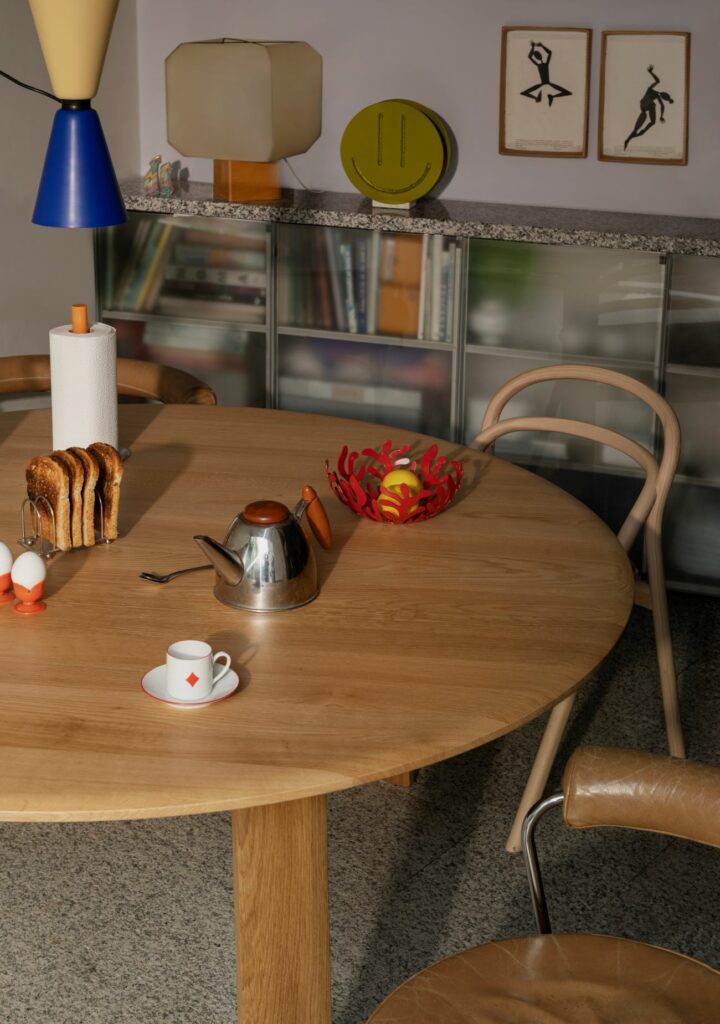
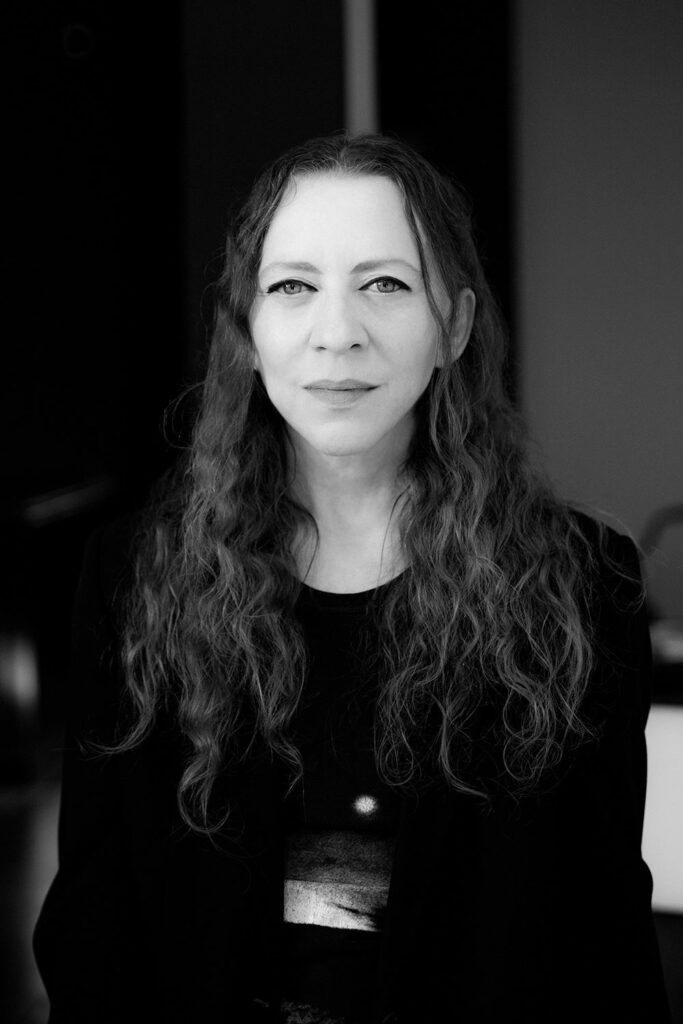
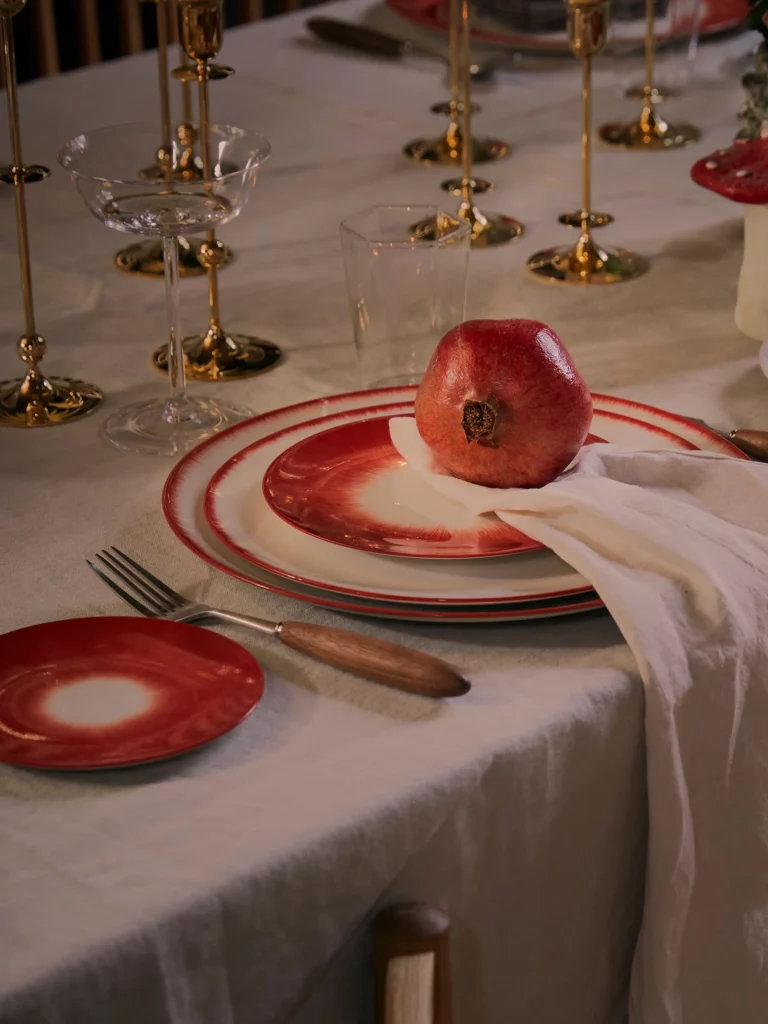
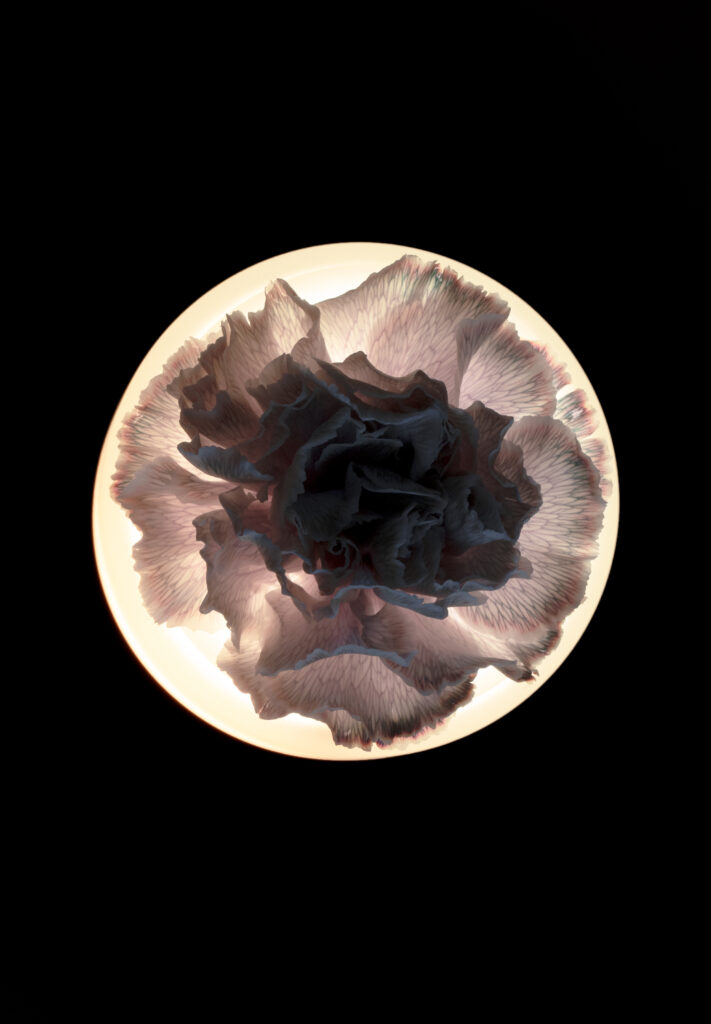
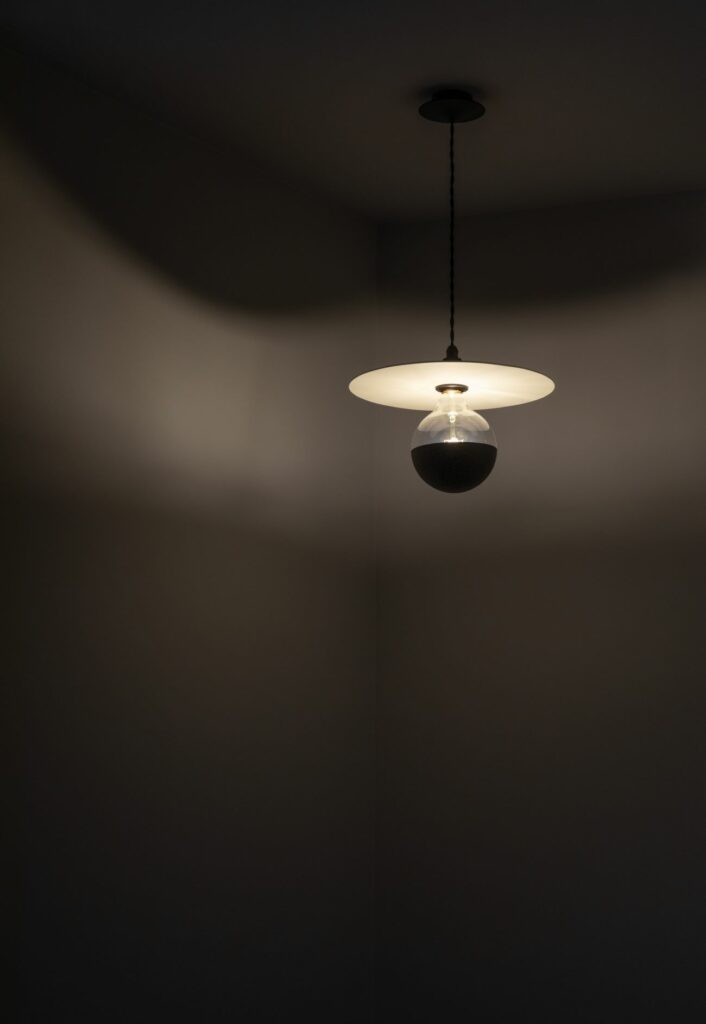
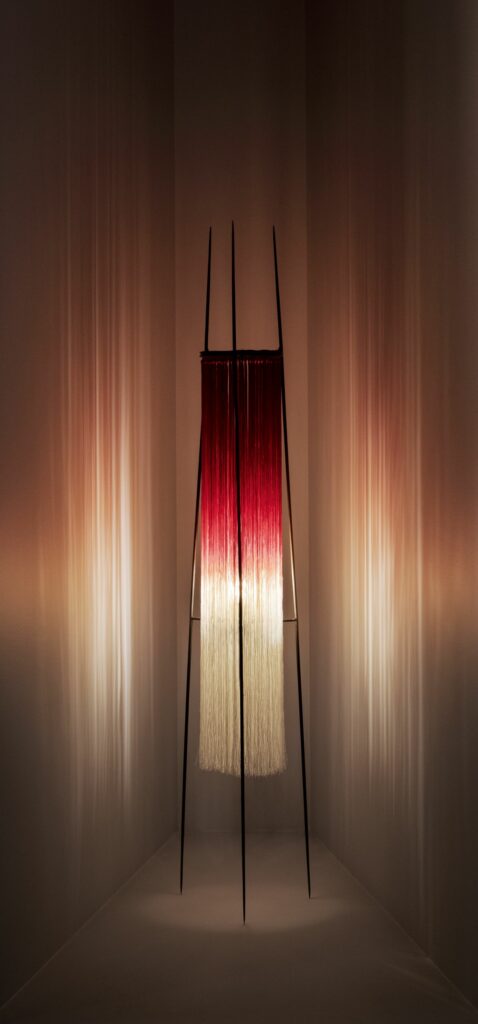
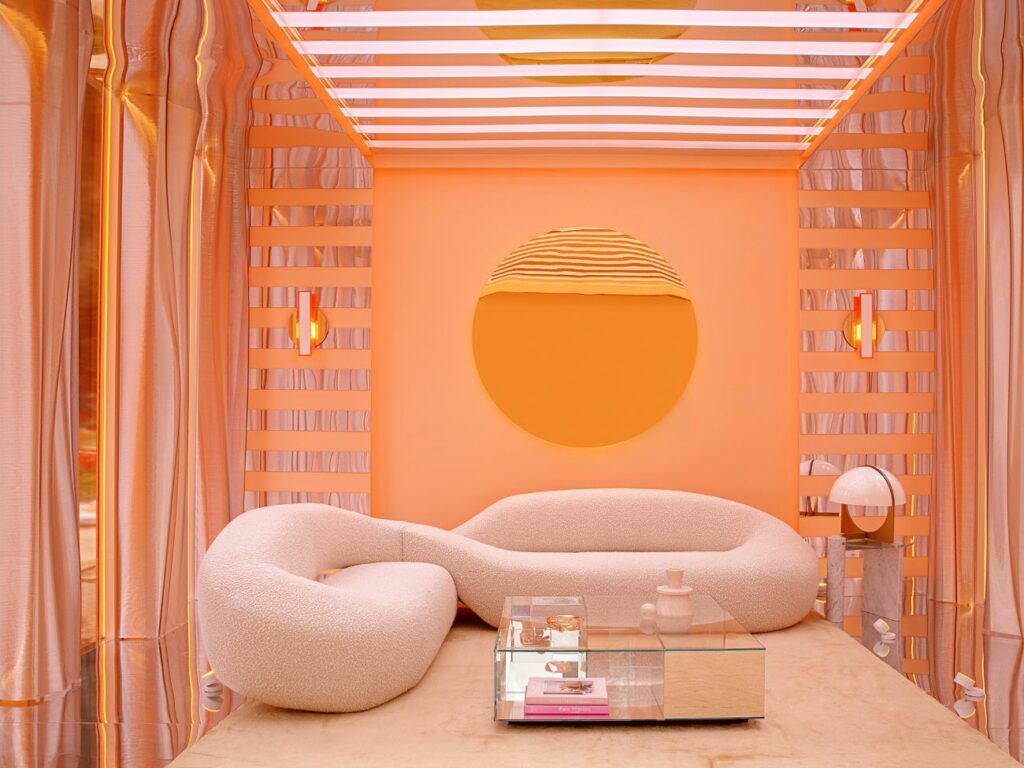
Goth blackness and avant-garde shapes. Still. In the 1980s, Ann Demeulemeester was one of the Belgian fashion designers who took London by storm with a completely unique style and they were nicknamed the Antwerp Six by the fashion press. It has now been thirteen years since she left her namesake fashion brand and since then she has devoted herself to her garden and her home. It was the starting point for a whole series of design objects that she has developed together with her husband, photographer Patrick Robyn. First up were the black-radiant plates and cups that were produced by the skilled craftsmen at the Belgian family business Serax. The porcelain has been joined by sculptural tables, stools, fringed lamps and an even fringed, black sofa. Sometimes it is actually not just black and white, but a red accent sneaks in.
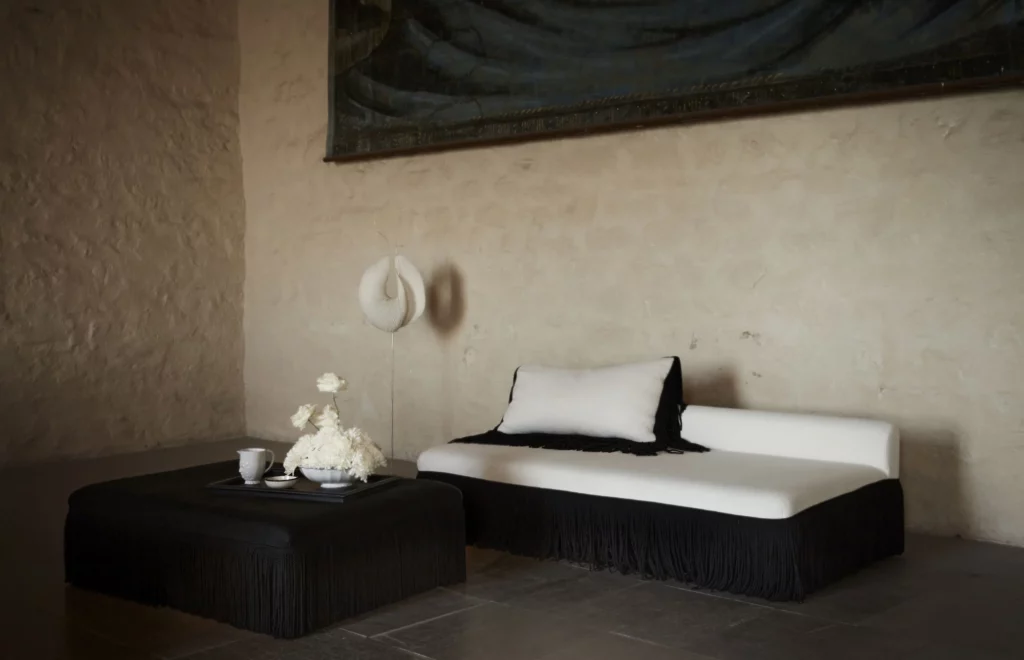
fashion past.
MARCANTONIO RAIMONDI MALERBA – IRONY & POP ART
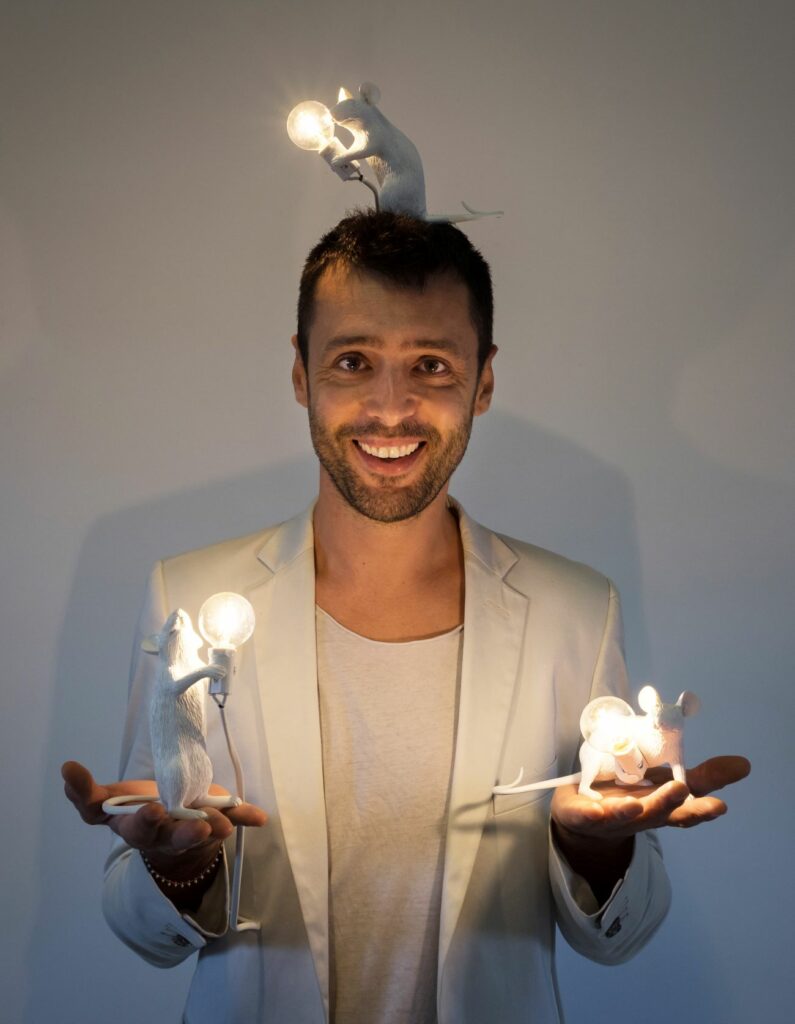
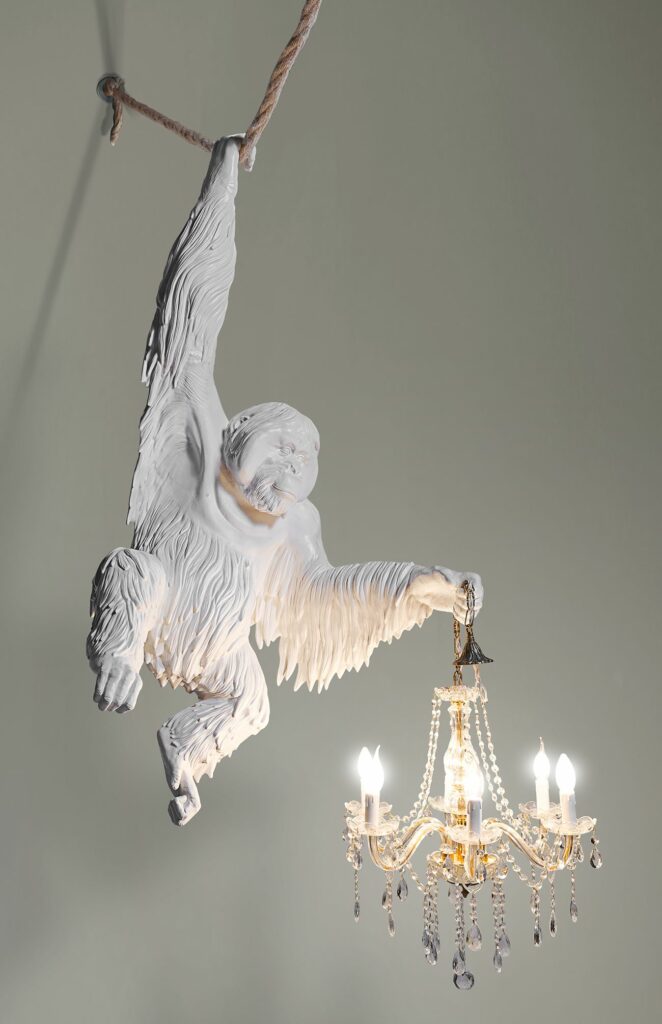
What would Seletti be without Marcantonio? What started with the climbing white monkeys holding light bulbs,
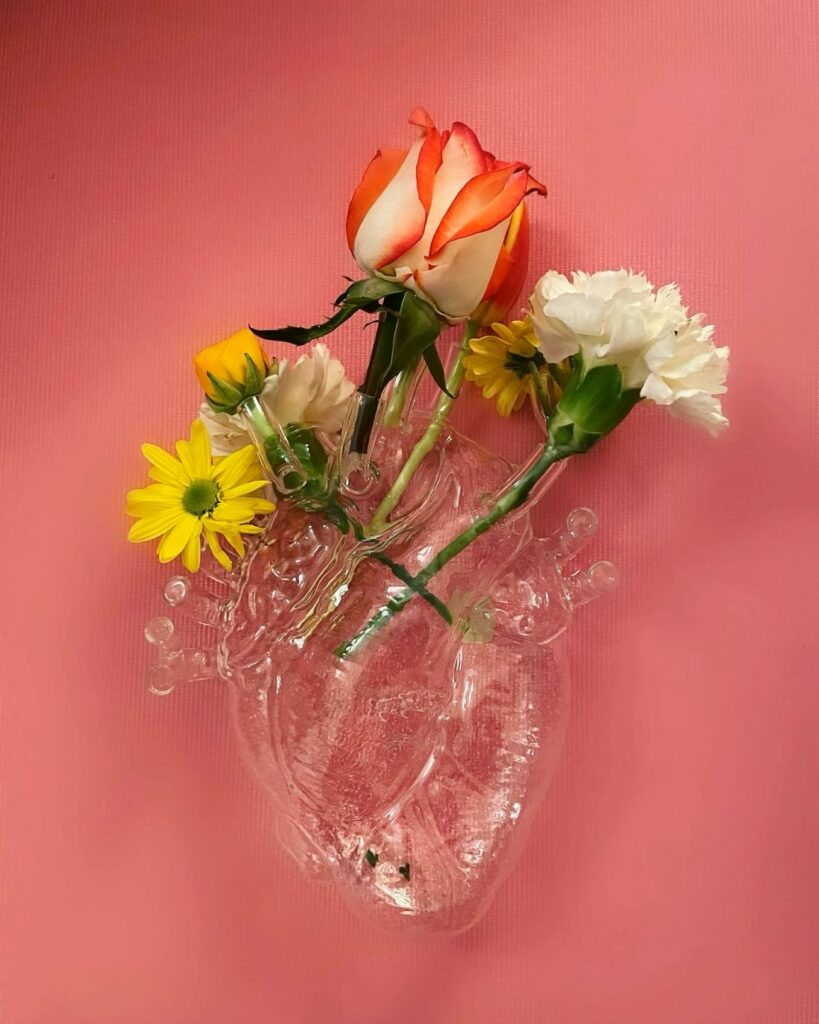
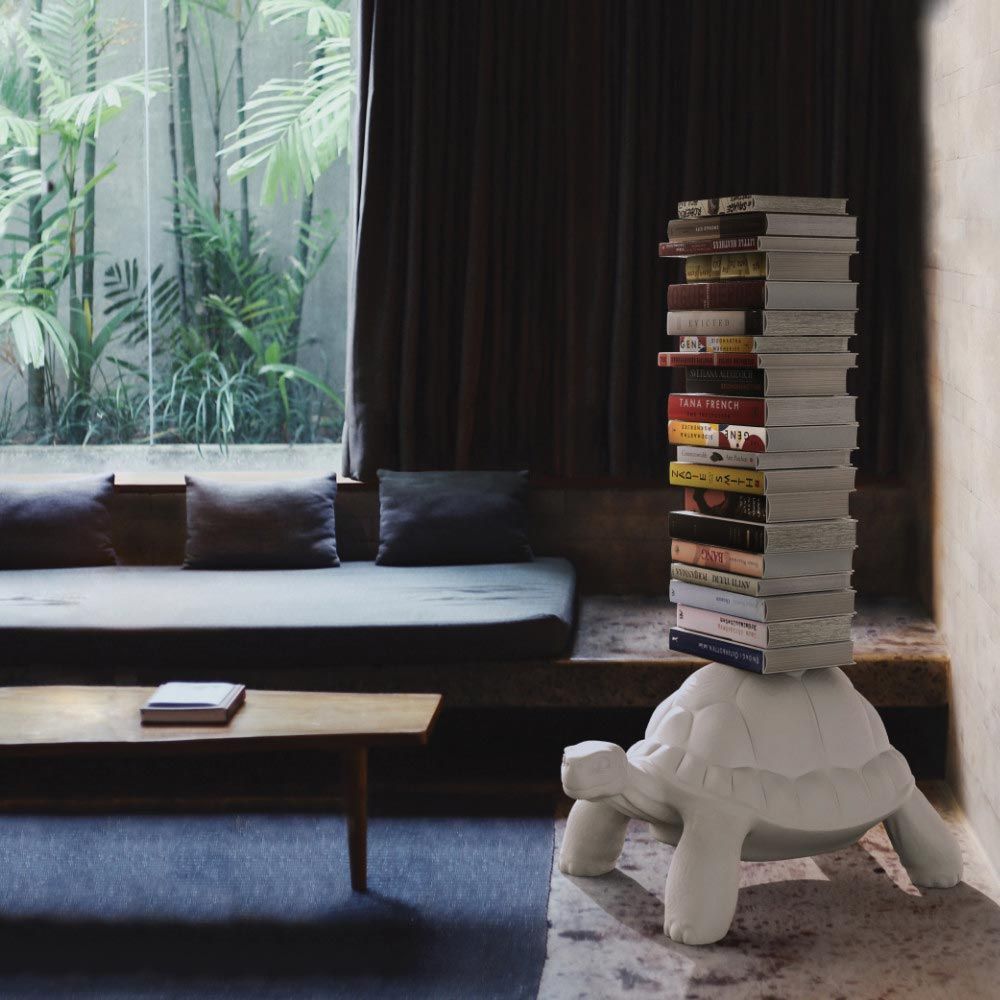
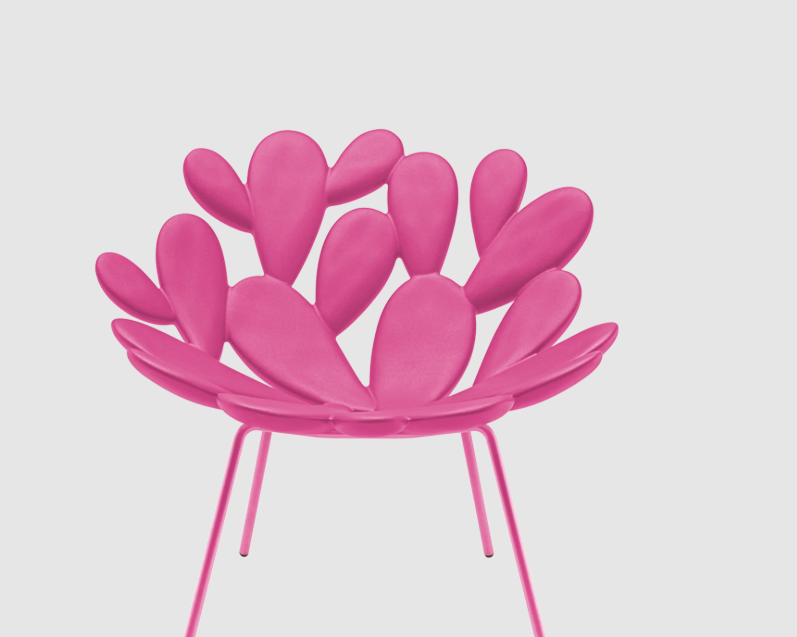
has developed into a universe of imaginative everyday products. There are colorful mushrooms for side tables, heart organs as lamps and vases, teacups where the porcelain shards have been joined together with gold. The imagery recurs again and again: animals, plants, bodies, preferably on a scale or in a context where they are not really
belongs here. But then he is an Italian designer and draws from a tradition of kitsch, art history and at the same time
high level of design. In recent years the expression has become somewhat more elaborate, but no less spectacular. These are still objects that push the boundaries between the functional and the scenographic and that fit into Seletti's hodgepodge of irony and pop art. Marcantonio brings his little stories into it and somehow a direction emerges in Seletti's wonderfully chaotic world.
Seletti.
called The door was open.
MONICA FIRST – POET IN DESIGN
Is she our greatest design poet? Monica Förster has worked with all the major design houses, from Alessi to Poltrona
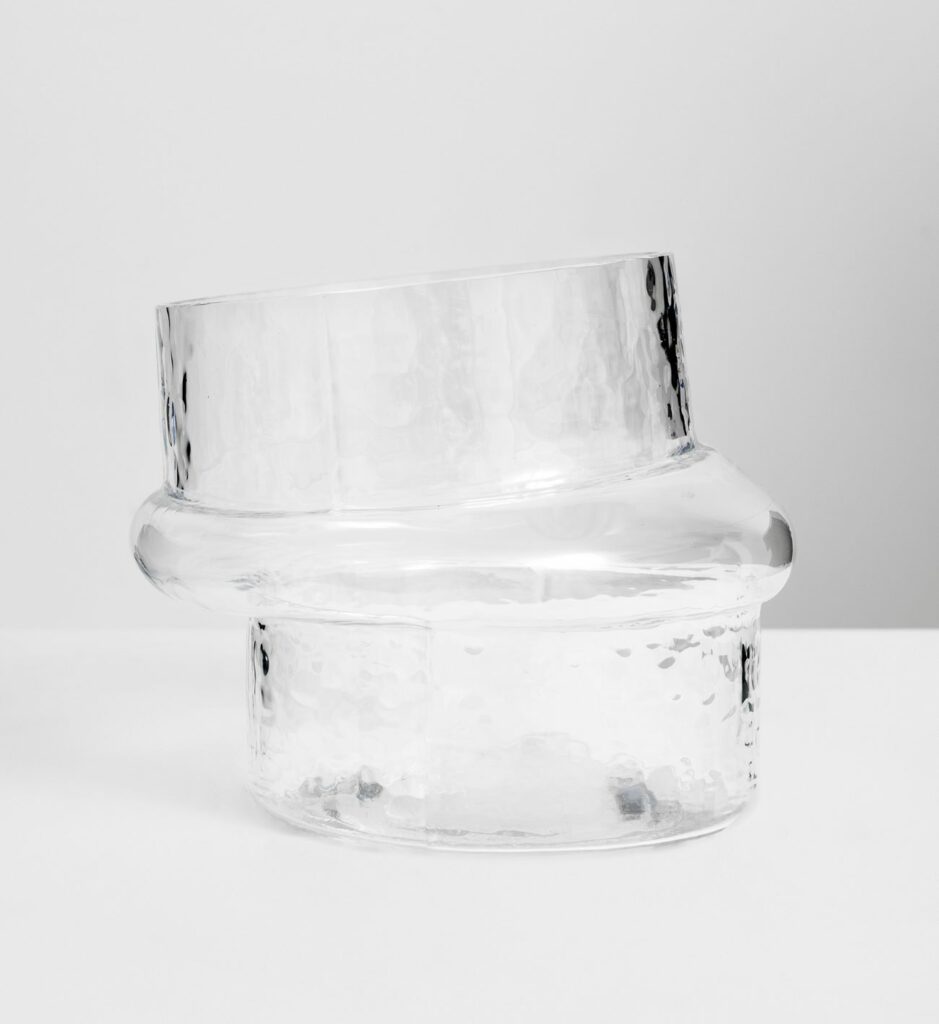
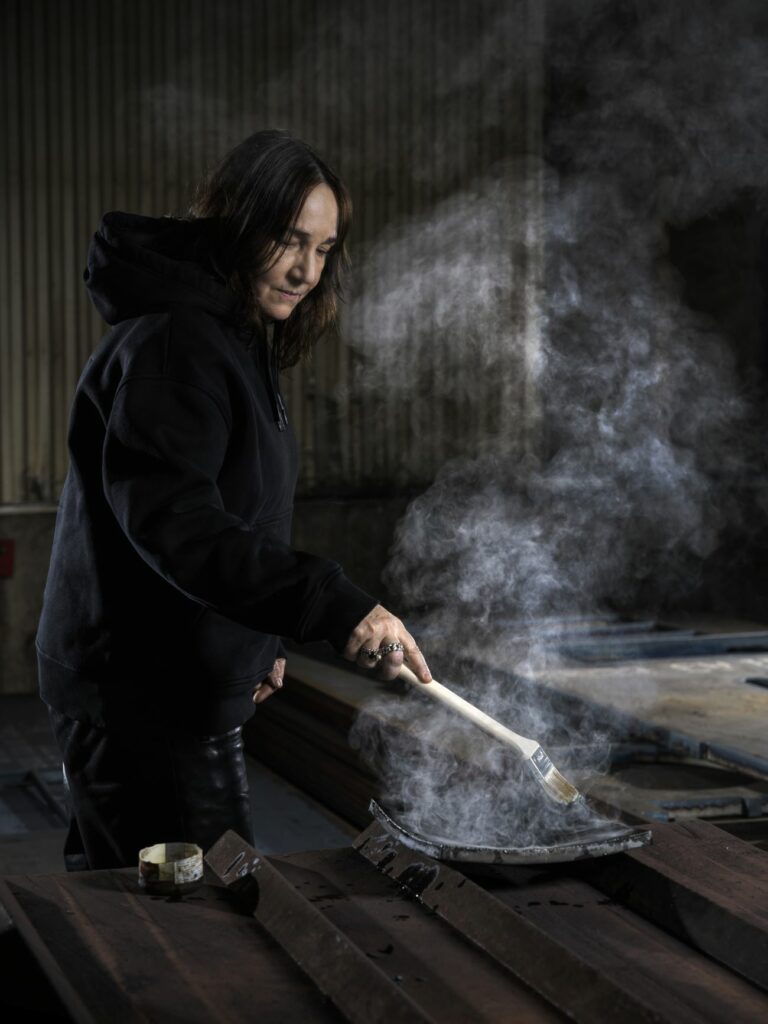
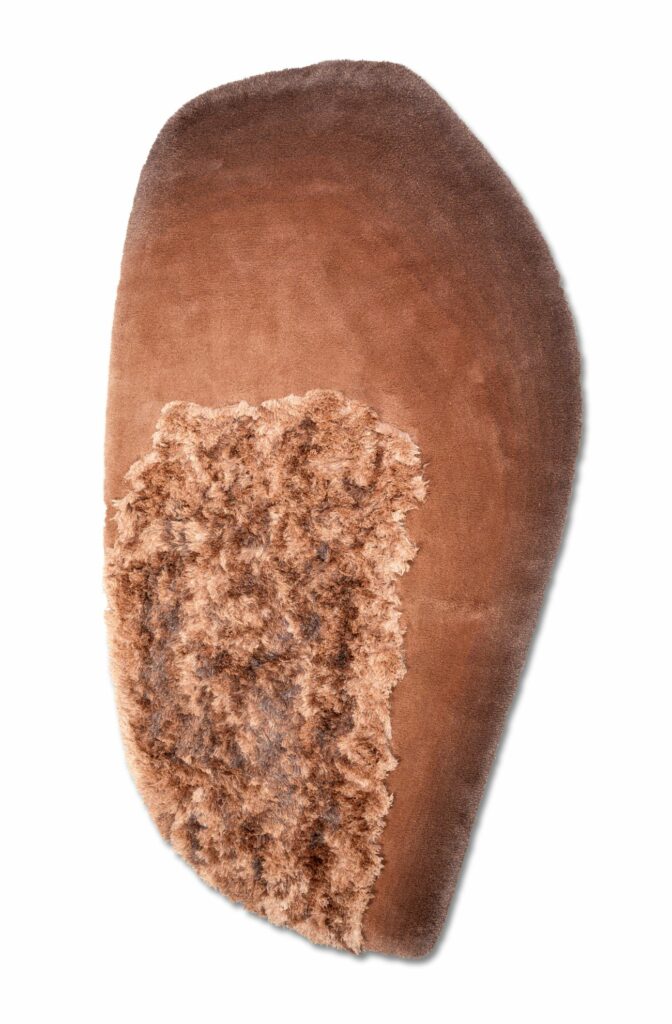
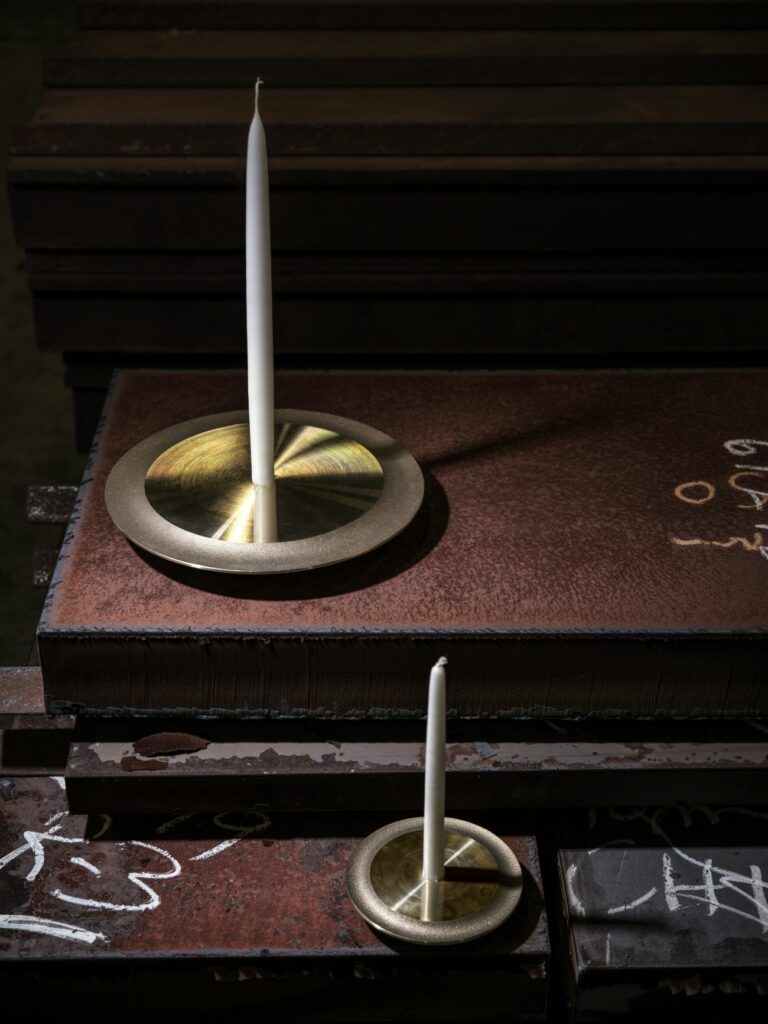
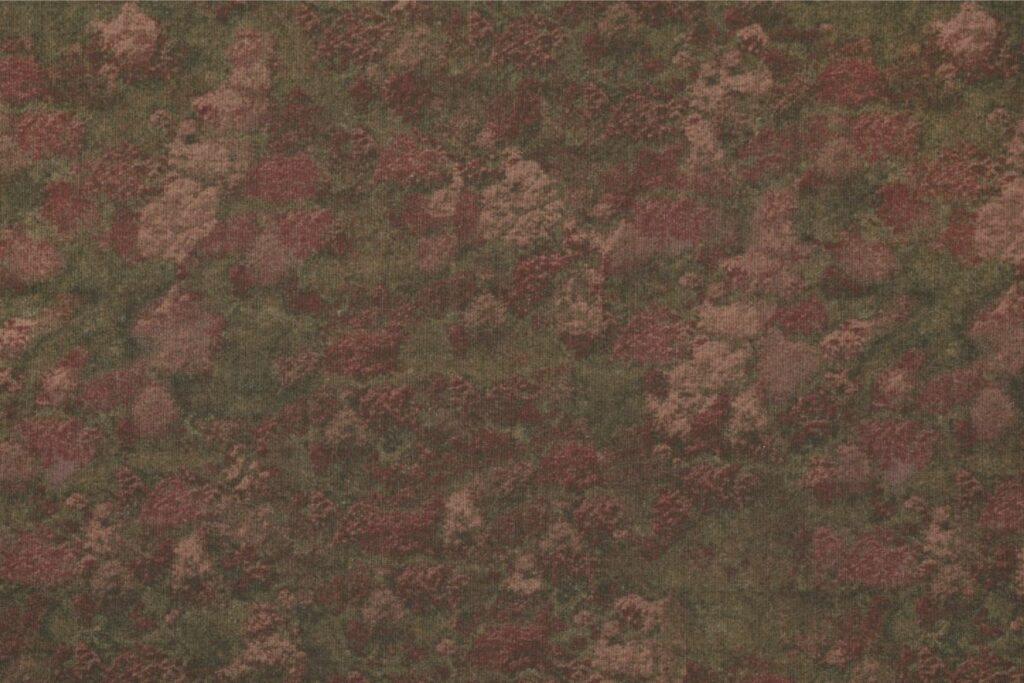
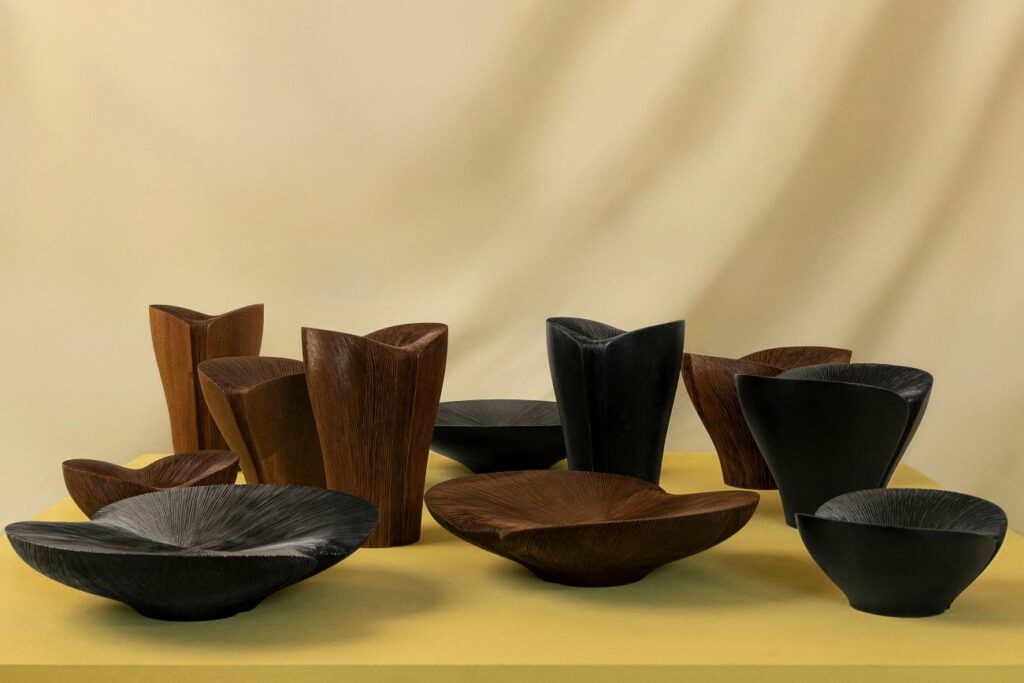
Frau, for Georg Jensen and Fredericia. Raised in the middle of the Lapland taiga, her inspiration from nature is often seen in organic movements in the objects she creates. Not least in her everyday title as creative director for Zanat, where for over a decade she has given the fine Bosnian woodcarving a contemporary touch, while still preserving the inherent poetry of the craft. The other year saw her magnificent carpets for Ogeborg, where she translated her experience of inheriting a forest into a kind of floor art of bogs, mountain heaths, heather and rivers. It was not long ago that she won the Red Dot design award for her vases for Orrefors, where the glass is blown into angular shapes that give a gentle sway to the hard glass. Most recently, Raw was released for SMD Design, which is a bit of an orgy of welding, casting and cutting sheet metal into beautiful vases, dishes and candlesticks. Beautiful and thought-provoking, just like everything Förster touches.
Photo: Jan Landfeldt, united frogs studios
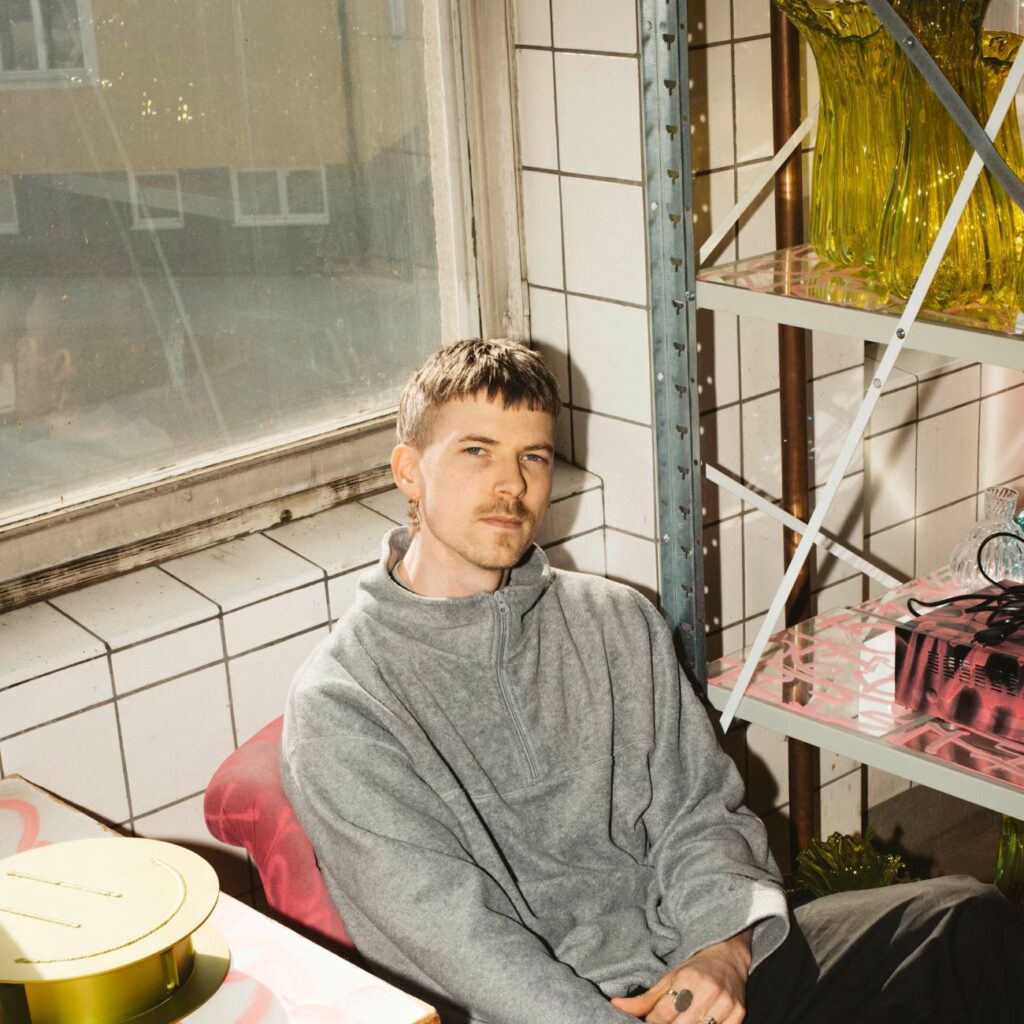
GUSTAV WINSTH – CONTROLLED & UNPREDICTABLE
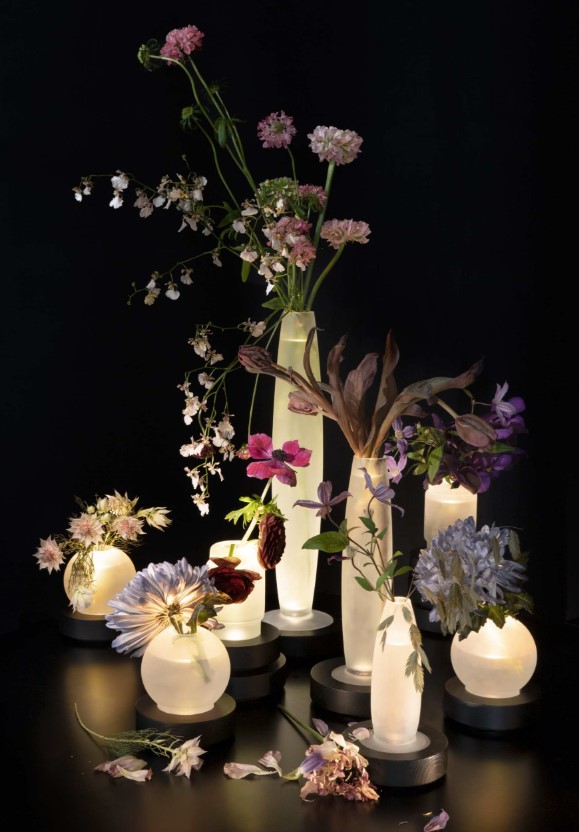
One of the most interesting young designers right now doesn't really allow technology and form to be separated. Maybe
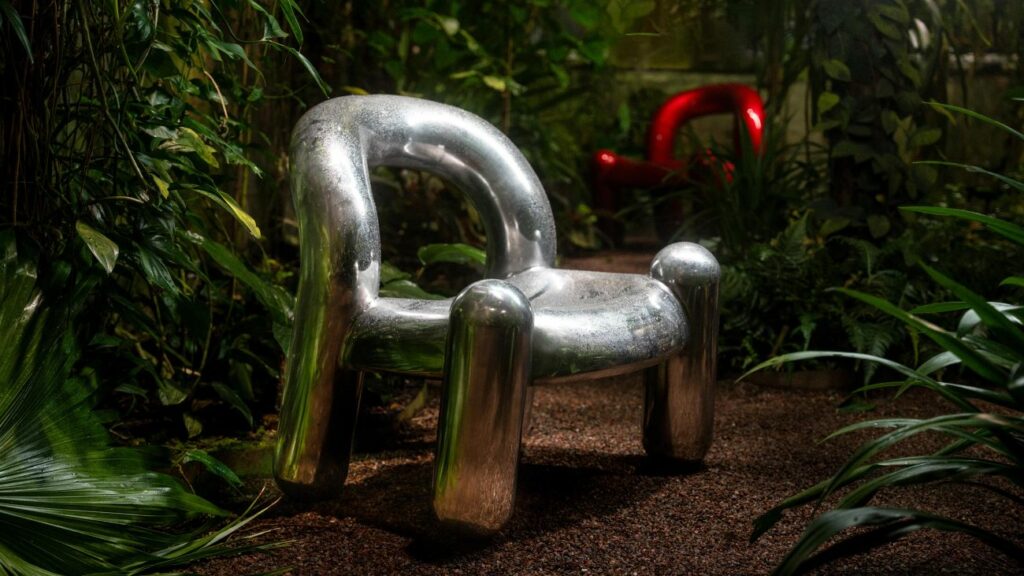
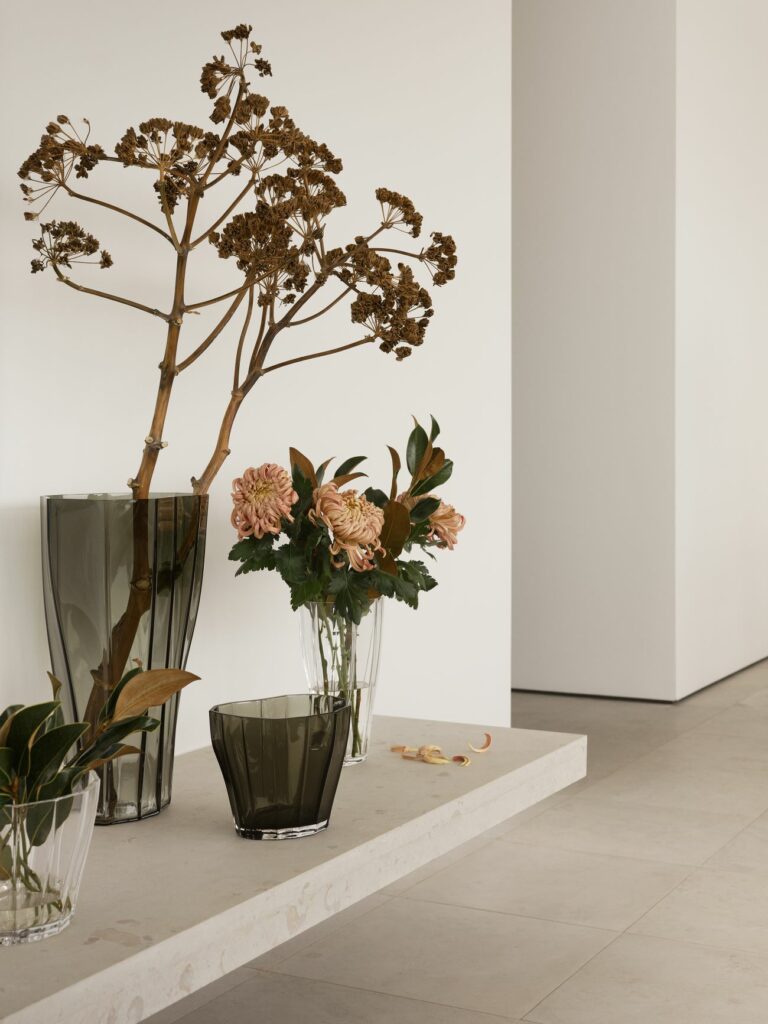
that from Gustav Winsth's background: equal parts designer with materials and a sense of craftsmanship, as he is an engineer and trained in mechanical engineering. The expression arises precisely in that meeting between control and the unpredictable. As in the vases for Verk, where he drew the shape but then left it to the glassblower to complete the process. In the bulky Reality chair, the shape was instead created by him sketching together with Alexander Lervik with VR glasses on and it was then welded together by metalworkers specializing in motorcycles. Another of Winsth's unlikely combinations can be found in the acclaimed Heavy metal, where steel and mirror are bent together so that it looks like the mirror is bending. In other words: a name to keep an eye out for.